Pattaya Police Raid Chinese Office Over Illegal Property Deals
A raid on a Chinese office in central Pattaya, suspected of running unlicensed real estate transactions, sounds alarming at first glance. Read it differently, though: Thai authorities spotted a grey-market operation and shut it down. For buyers who do their homework, that is reassuring news.
What Happened
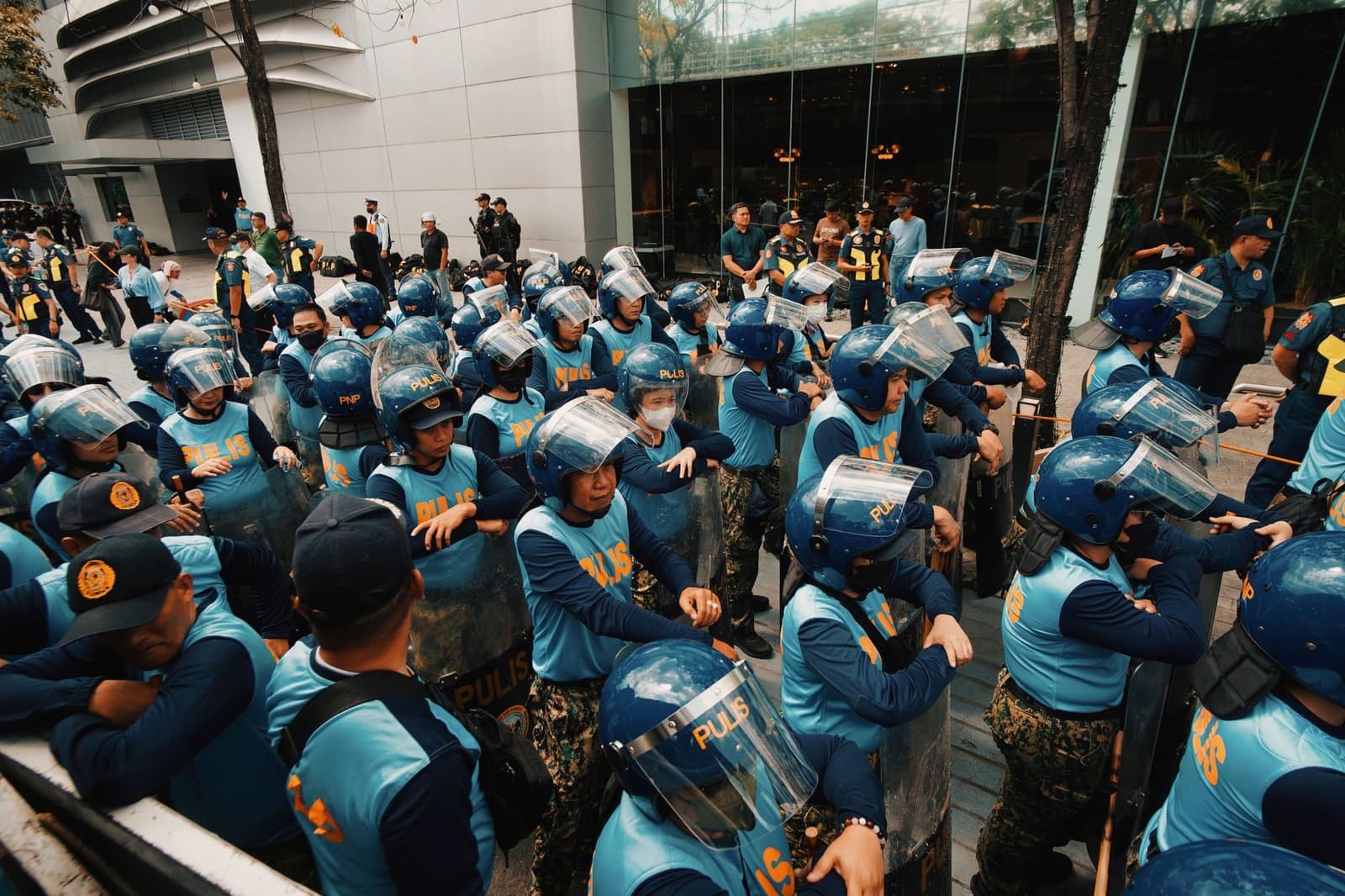
Officers from Region 2 Police (ตำรวจภาค 2) raided an office in the heart of Pattaya. Investigators suspect the operation was brokering Thai property deals without the required licenses or authorizations. The details of the case have not been made public, and the inquiry is ongoing.
How Unlicensed Schemes Work, and Why They Are Dangerous
Pattaya's property market has drawn foreign buyers for decades, and that sustained demand also attracts unlicensed middlemen. The playbook is usually the same: an agent without credentials arranges a deal, money is transferred before the Land Department registration is complete, and the buyer ends up holding paperwork instead of a legally recognized title.
Understanding the legal framework helps. Foreign nationals in Thailand can purchase units in condominium buildings, either as freehold within the 49% foreign ownership quota per building, or as leasehold for up to 30 years. Land plots and freestanding houses cannot be owned outright by foreigners under Thai law. When a broker proposes a structure that falls outside these boundaries, or pushes for a payment transfer before official registration, that is a clear warning sign.
For a full breakdown of the legal process, see our guide to buying property in Pattaya for foreign nationals.
Three Rules That Keep a Transaction Safe
The practical lesson from this incident fits into a short checklist:
Verify the agency's license before signing anything. Agents handling foreign buyers in Thailand should hold recognized professional credentials.
Always use an official purchase and sale agreement. Verbal arrangements and informal receipts are not enforceable under Thai law.
Do not transfer funds before the transaction is registered at the Land Department. That registration is what legally establishes ownership, and no payment should move until it is complete.
These steps apply whether you are buying in central Pattaya or any other part of the city.
What This Means for Buyers
A single raid does not clean up a market overnight, but it does signal that Thai authorities are watching and acting on unlicensed activity. For everyone working legally, that is a good sign.
The Pattaya property market has plenty of clean, well-documented transactions, and the legal infrastructure works when you use it properly. The difference between a straightforward deal and a problematic one almost always comes down to the choice of agent. If you want to verify credentials or get advice on how to structure a purchase safely, contact our team and we will walk you through it.