Thailand or Bulgaria: Where to Buy a Sea-View Apartment
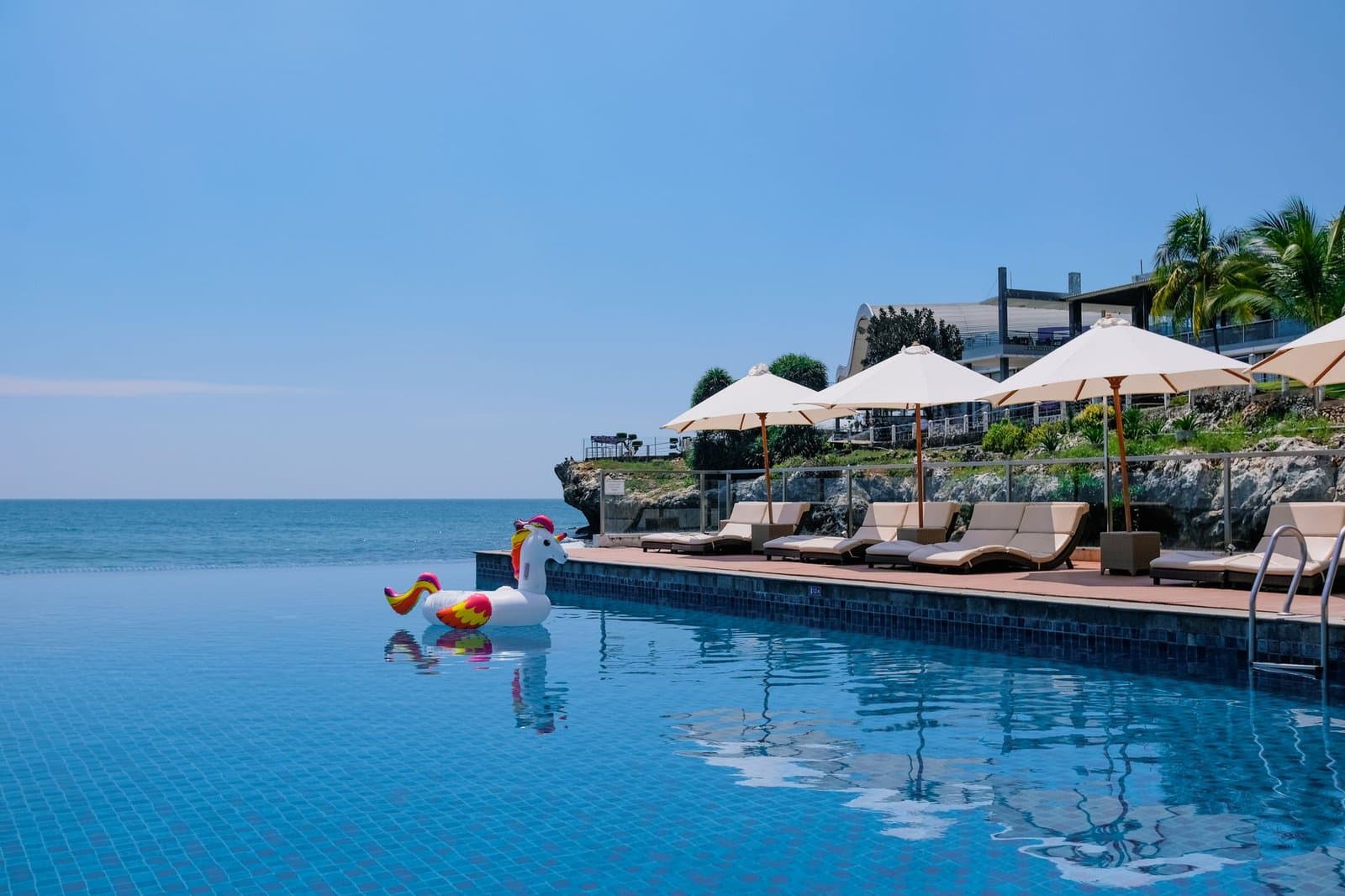
When the cabin doors open in Pattaya and thirty-degree warmth floods in, the question "why go back?" stops being rhetorical. Those who take it seriously enough end up comparing markets: Bulgaria or Thailand, the Black Sea or the Gulf of Siam, three summer months or year-round.
What Bulgaria Offers
Bulgaria's appeal starts with cultural familiarity. The older generation speaks Russian, younger Bulgarians speak English, and Cyrillic signage feels almost like home. The visa regime is friendly, and the country's long-anticipated Schengen accession will add another layer of attraction: property owners inside the Schengen zone find it significantly easier to secure long-stay visas and travel freely across Europe.
Entry-level studios around 40 sq.m. on the Black Sea coast run from 800,000 to 1.2 million rubles, roughly the same as comparable apartments in many Russian cities. Bulgarian developers offer autumn discounts of up to 10% to buyers who are already planning ahead for next season.
The meaningful limitation: the beach season runs three months, maybe four. The ski resorts are real and well-developed, but that is a different conversation if what you wanted was the sea.
Pattaya's Main Argument
The Gulf of Siam is warm in January just as it is in July. For anyone planning to spend several months abroad per year, or to rent out their apartment for most of the year, that changes the entire calculation.
Entry prices in both markets are comparable: a studio or compact one-bedroom near the water in Pattaya costs roughly the same as a similar unit on the Bulgarian coast. The gap opens up in climate and in ownership structure.
In Thailand, a foreigner can purchase a condo unit as full freehold property. Thai law reserves 49% of units in each building for foreign buyers. Within that quota, you hold title registered in your name at the Land Department, not a lease agreement for thirty years. There is also a leasehold structure, typically used for villas, since foreigners cannot own land in Thailand.
The full process, from choosing a unit to completing the title transfer, is covered in the guide to buying property in Pattaya.
Rental and Investment: A Clear-Eyed View
Renting out a purchased apartment usually generates supplemental income rather than a fast return on investment: payback periods are long. Buyers targeting capital appreciation typically purchase off-plan and sell near completion.
Pattaya holds several advantages in this context:
tourist demand does not drop in winter, so rental occupancy stays stable year-round
new developments launch regularly, with strong competition among off-plan projects
well-located units historically hold liquidity better than apartments in purely seasonal resorts
A more detailed breakdown of numbers and strategies is available in the Pattaya real estate investment section.
What to Know Before You Buy
A few facts worth keeping straight:
buying property in Thailand does not grant a visa, residency permit, or citizenship
foreigners cannot own land; a condo apartment is the standard ownership vehicle for foreign buyers
freehold means full title within the 49% foreign quota; leasehold is a separate structure, typically applied to land-based properties such as villas
Bulgaria is attractive for its cultural proximity and Schengen potential. Pattaya wins on climate, year-round rental demand, and clear freehold ownership terms for foreigners.
Browse available new developments in Pattaya in the property catalogue, or get in touch directly with any specific questions.