Thailand Nominee Property Crackdown 2026: Risks for Foreign Buyers
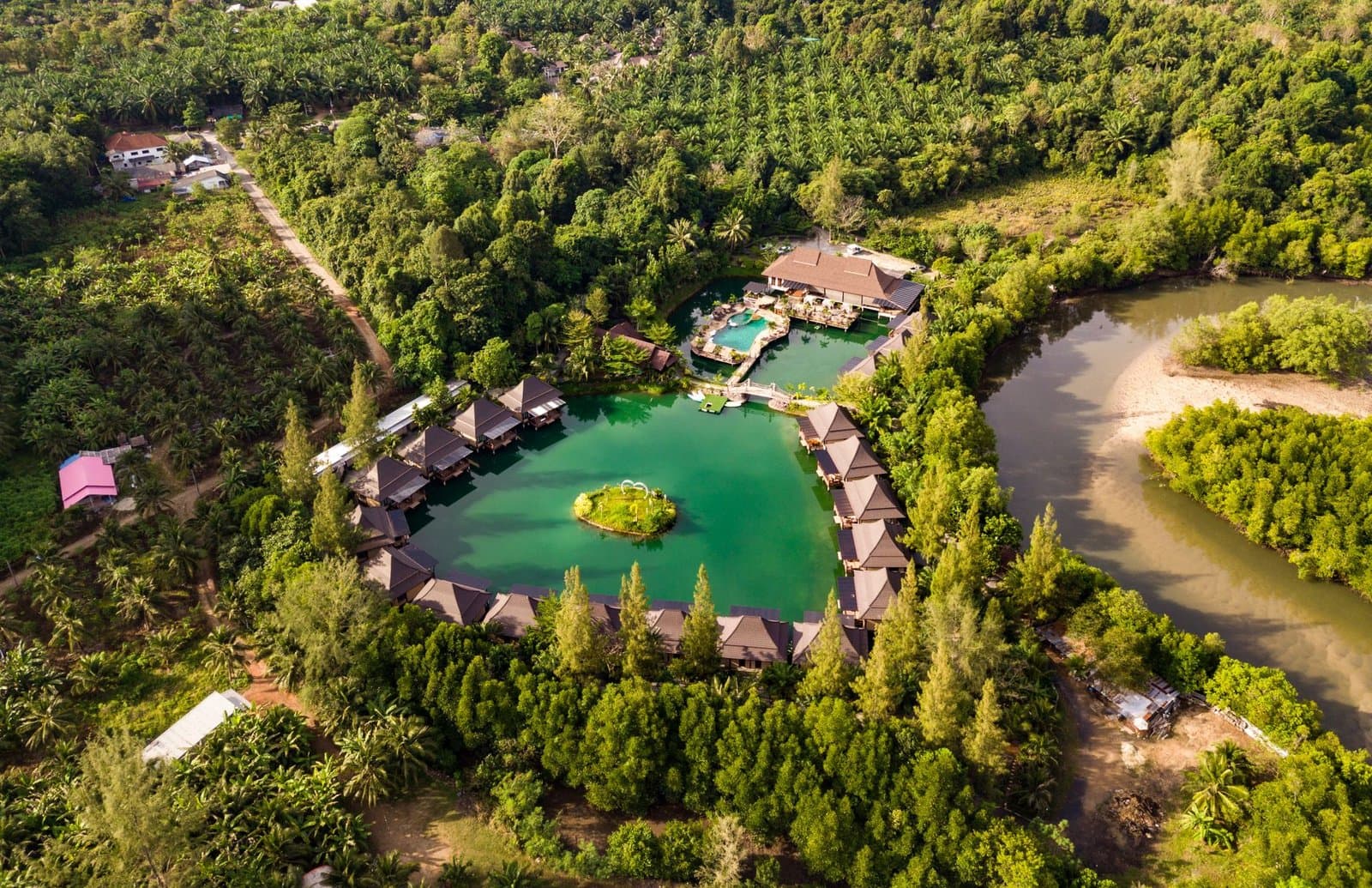
In May 2026, Thai authorities froze assets linked to a network of pool villas and hotel businesses on Koh Pha-ngan, totaling over 200 million baht. This was not a random inspection. Thailand has deployed AI to analyze between 40,000 and 50,000 corporate registration and land transaction records, hunting for a scheme everyone knew about but no one enforced: a foreigner buys a villa through Thai nominees, paperwork looks clean, but the law has been broken from day one.
Why Nominee Structures Went Unchallenged for Decades
Thai law has always been unambiguous. Foreigners cannot own land. They can own a condominium unit under the foreign ownership quota, capped at 49% of total saleable area per project. Land, meaning houses and villas, is off-limits.
The classic workaround is decades old. A Thai company is set up with Thai shareholders holding at least 51% of shares, then used to purchase land and property. In many cases, those Thai shareholders turn out to be nominees: names in a registry, no real investment, no actual control.
Section 94 of the Land Code has always prohibited this. When a foreigner unlawfully acquires land, the Director-General of the Department of Lands can order the disposal of that property within 180 days to one year. Non-compliance triggers a government auction.
The catch: the penalty was never a real deterrent. After a forced sale, the offender could recover the original investment plus any profit from land price appreciation during the holding period. The scheme remained profitable even when caught. Legal scholars describe this as a conflict with the principle of unjust enrichment: offenders should not benefit from breaking the law. Canada returns only the original investment; profits go to the state. The Philippines voids illegal transactions outright and allows asset seizure. Neither system leaves room for profitable violation.
For a full breakdown of which ownership structures are legally available to foreigners, see the guide to buying property in Pattaya.
What the AI Is Scanning For
Data from the Department of Business Development for Surat Thani province shows 11,649 companies with foreign shareholders. Koh Samui accounts for 8,213 of them, with French investors as the largest group at around 24%. Koh Pha-ngan has 3,213 such companies, with Israeli investors leading at around 22%.
The AI looks for specific patterns:
multiple companies registered at the same address;
concentrated shareholding structures;
Thai shareholders whose financial profiles do not match the value of their holdings.
The condominium foreign quota is also under scrutiny. The law limits foreign ownership to 49% of each project's saleable area, but Thai companies with nominal Thai shareholders sometimes purchase units under the "Thai" quota while foreigners provide the funds and hold actual control. This is difficult to verify because Thailand still lacks a complete beneficial ownership database linking data across agencies. Enforcement is shifting from reading share structures to tracing money flows and the actual sources of investment capital.
What This Means for Buyers in Pattaya
Pattaya is not currently a focus of these enforcement actions, which remain concentrated on island resort destinations. But the system is live and built to scale.
For anyone considering real estate investment in Pattaya, the situation makes the risk concrete. Nominee schemes were always illegal. Enforcement is what changed. There is now a functioning AI system, an established legal precedent, and a freeze on over 200 million baht in assets.
A condominium purchased under the foreign freehold quota carries none of this risk. Title goes directly to the buyer, not through a Thai company. Browse the catalog of new Pattaya developments where foreign-quota freehold sales are standard. If you need clarity on the legal structure of a specific transaction, legal support for foreign property buyers in Thailand is worth the conversation before anything is signed.