How Russians Can Buy Property in Thailand in 2026
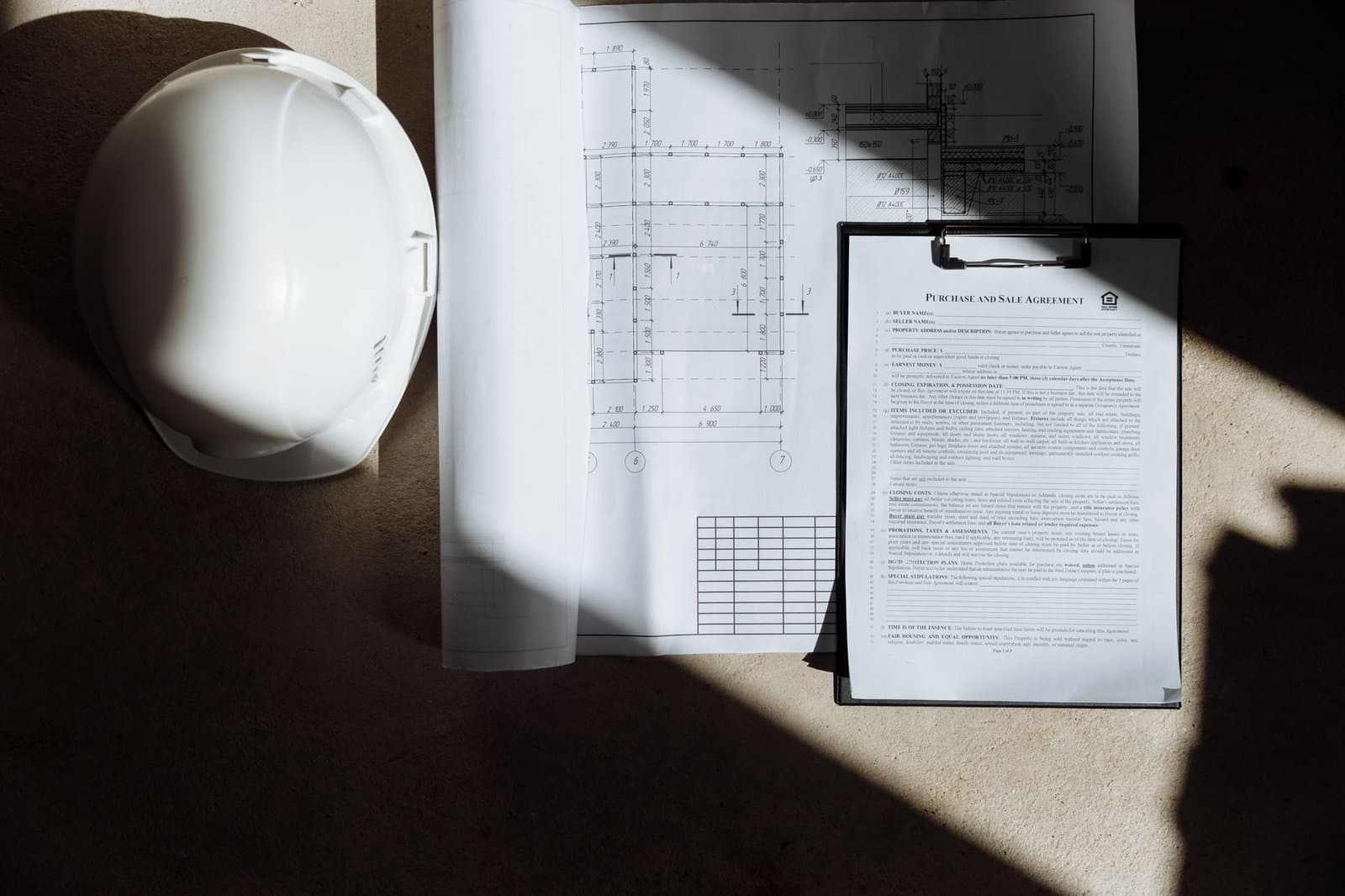
If most overseas markets have become a bureaucratic maze or simply off-limits for Russian buyers, Thailand has quietly stayed the course. Deals close remotely, money moves, and paperwork gets handled by a lawyer with power of attorney. Here is how property purchases work in 2026 and what to know before you start.
Ownership Structures: Freehold and Leasehold
Foreigners cannot own land in Thailand. Condominiums are a different matter: buying an apartment in a residential building is entirely legal and is the most common format for non-residents.
Two structures apply:
Freehold (full title ownership): the buyer is registered as owner at the Land Department. Thai law caps foreign ownership in any single building at 49% of total floor area.
Leasehold (long-term lease): right of use for the property, renewable. Common for villas and houses where the land remains under Thai ownership.
Both options are legal and protected under Thai law. For a full breakdown of documents and taxes involved, see our complete guide to buying property in Pattaya.
How the Transaction Works: Remote, No Thai Bank Account Required
Remote transactions are standard practice for foreign buyers in Thailand, not an exception.
Off-plan property:
Buyer pays a reservation deposit and a contract is prepared.
Documents are signed remotely.
Subsequent payments follow a pre-agreed schedule until project completion.
Ready property:
Deposit paid, documents signed.
A lawyer handles title registration via power of attorney.
The buyer only needs to be present for the key step, such as final registration, if they choose to.
A Thai bank account is not required for most purchases. Funds go directly to the developer for off-plan projects, or into a law firm's escrow account for resale deals. Browse current projects in the Pattaya new developments catalogue.
Sending Money from Russia
An official bank wire transfer is the primary method and is possible once a purchase contract is in place. Some Russian banks still process transfers to Thailand. Additional options used in the market:
transfers via overseas bank accounts;
cryptocurrency;
cash, though only for leasehold transactions.
The list of banks that can send funds to Thailand changes regularly. Confirm with your agent before starting.
Visa and Bank Account: What a 3 Million Baht Purchase Unlocks
Buying property in Thailand does not automatically grant a visa, residence permit, or citizenship. That said, regulations introduced recently have created a link between real estate investment and visa status.
Purchasing an asset worth 3 million baht or more, whether freehold or leasehold, allows the owner to apply for an annual visa with renewal options. Once that visa is in hand, opening a Thai bank account becomes possible. Practical for anyone planning long-term stays or managing rental income from within Thailand. Full details on eligibility and the process are in our article on the Thailand investment visa from 3 million baht.
For buyers focused on Pattaya, the picture is clear: the market is open, the transaction process is established, and the administrative hurdles are lower than in most European countries. Pick an apartment by the sea in Jomtien, handle the paperwork remotely, and arrive to finished keys. In 2026, that is a realistic scenario.