Kazakhstan-Thailand Investments and New Routes: Impact on Pattaya
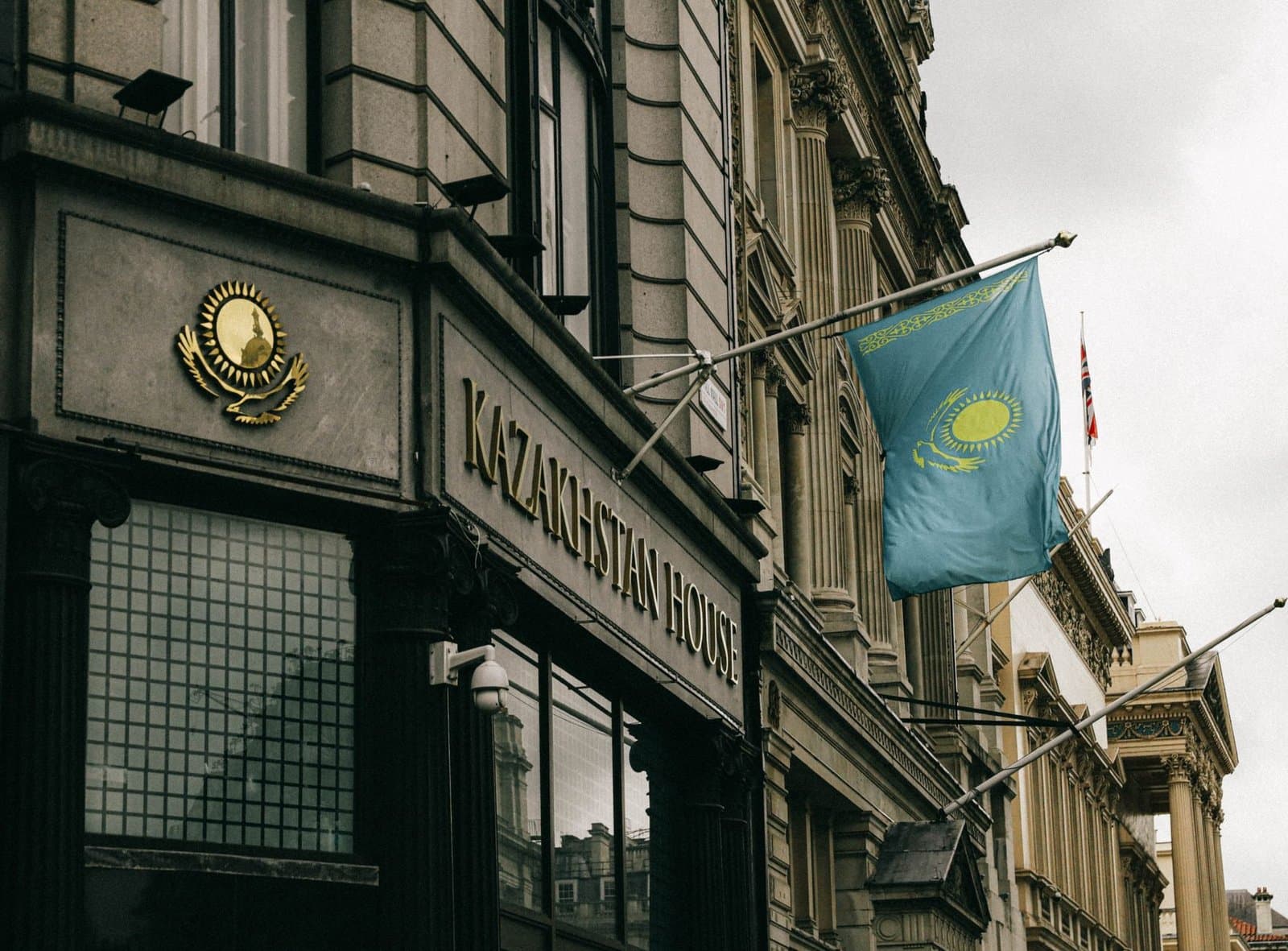
When heads of state and foreign ministers talk about deepening investment cooperation, the script usually goes: months of working-level negotiations, a memorandum, and something tangible roughly a year later. The meeting between Kazakhstan's President Tokayev and Thailand's Deputy Prime Minister and Foreign Affairs Minister Sihasak Phuangketkeow looks more substantive than that. On the table: specific sectors, real routes, and a Thai business delegation that made the trip alongside the foreign minister.
What Was Discussed
Kazakhstan laid out its regional standing. The country accounts for more than 70% of Thailand's total trade with Central Asia, and 55 Thai companies are already registered in Kazakhstan. Next year marks the 35th anniversary of diplomatic relations between the two countries, and both sides said they intend to give the relationship a real push.
The Thai side brought a business delegation and a clear list of joint project priorities: tourism, including medical tourism; hotel construction; critical mineral supply chains; and food security. Tokayev formally invited Thai Prime Minister Anutin Charnvirakul to visit Kazakhstan.
Routes and Tourist Flows
A visa-free arrangement between Kazakhstan and Thailand is already in place. Tokayev noted that tourist flows between the two countries are hitting records, which is precisely why new routes ended up on the agenda at this level. Right now, Kazakhstani travelers fly to Thailand through connecting cities — there are no direct regular flights. New routes, and especially direct ones, historically accelerate tourist numbers.
Tourists often become property buyers. The pattern is familiar from the Russian market: investment in Pattaya real estate from CIS nationals grows steadily wherever stable air access and visa-free entry combine. The Kazakhstan market is creating similar conditions.
What It Means for Pattaya Buyers
Kazakhstani buyers are already part of the Pattaya property market, though their share is smaller than the Russian segment. Tighter economic ties, new routes, and expanding business contacts lay the groundwork for that share to grow. It will not happen overnight, but tracking this shift now makes sense.
Medical tourism, which Thailand named as a priority, draws well-off travelers on longer stays. Longer stays generate interest in rentals, and rentals frequently become the first step toward a purchase.
On the legal side: nationals of Kazakhstan and other countries can buy a condominium in Thailand in full ownership (freehold) within the 49% foreign quota per development, or on a long-term lease (leasehold). Land ownership is not available to foreigners. For a full breakdown of how a purchase works, from legal structure to taxes and running costs, see the guide to buying property in Pattaya.
Buyers already researching should look at Pattaya new developments: a broad selection of projects, from studios to villas, at different stages of construction and across a wide price range. In coastal districts, particularly Jomtien, a well-established Russian-speaking community has formed, and project options span a wide budget range.
A meeting between a president and a foreign minister does not guarantee direct flights from Astana to Bangkok next month. But it does confirm that political will to deepen ties exists on both sides. On a multi-year horizon, signals like this are the kind that visibly change who shows up in a resort city's property market.