Russia MFA Warns: Risk of Arrest for Russians in Thailand
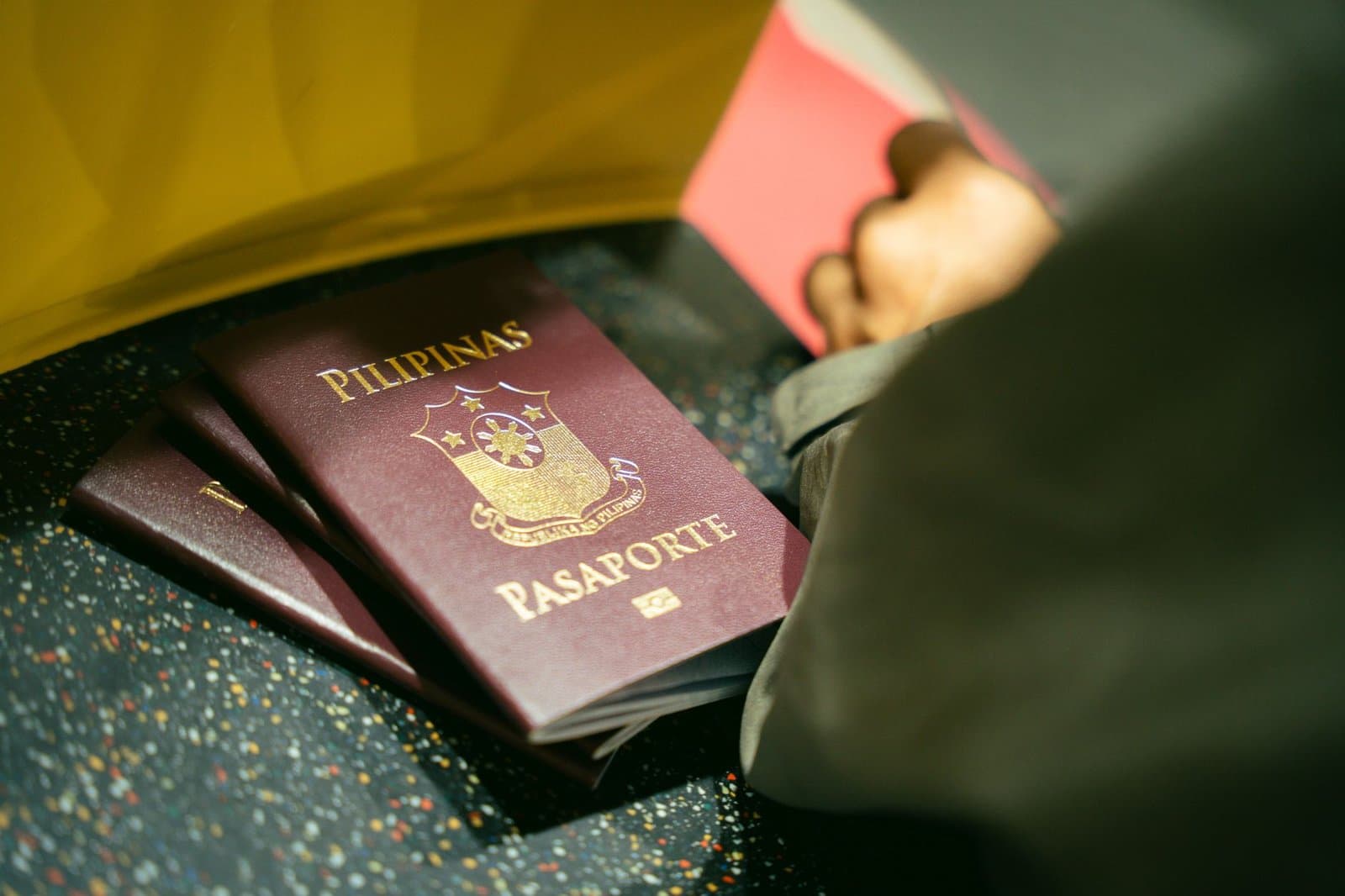
Russia's Ministry of Foreign Affairs has issued a familiar warning again: Thailand is one of the countries where US intelligence agencies actively seek out Russian nationals they want to find. The example the ministry keeps returning to is Viktor Bout, detained in Thailand in 2008, extradited to the United States, and imprisoned for over a decade. Since 2022, with wide-ranging sanctions in force, the ministry estimates the pool of Russians who could attract US legal attention has grown considerably.
What the MFA Warning Actually Says
The ministry recommends heightened caution for all travel to Thailand, whether for tourism or business. Three key points:
persistent high risk of detention or arrest at the request of US law enforcement agencies and intelligence services
detained individuals, according to the ministry, often face psychological pressure, including attempts to extract a confession
for certain categories of Russian citizens, the risk of prosecution has increased since 2022 due to the sanctions in force
At the same time, Thailand is reducing its visa-free period to 30 days for tourists from 90 countries, including Russia. This is worth factoring in when planning an extended stay.
Who This Affects, and Who It Doesn't
The warning is aimed at a specific audience: those who have reason to fear scrutiny from US authorities. If that is not you, nothing material has changed. Thailand remains open to Russian nationals, new developments in Pattaya are proceeding on schedule, and property transactions are taking place.
There is also a counterintuitive effect here. The people the warning is genuinely aimed at will likely choose a different country on their own. Pattaya, as a result, moves a little further toward a more transparent market, with fewer buyers carrying complicated histories and opaque funds. For anyone serious about property investment in Pattaya, that is more good news than bad.
Ownership Rules for Foreign Buyers in Thailand
A few baseline facts about property ownership in Thailand that hold regardless of the geopolitical climate. Full detail is in our guide to buying property in Pattaya.
foreign nationals can purchase condominium units within the 49% foreign ownership quota (freehold, full title)
a long-term lease (leasehold), typically 30 years with renewal options, is the main alternative
land cannot be owned outright by foreign nationals
purchasing property in Thailand does not provide a visa, residency permit, or citizenship
What This Means for Buyers and Renters in Pattaya
For those considering Pattaya as a place to live, buy, or rent, the MFA warning comes down to a simple equation: if you have nothing to answer for to US authorities, nothing has changed for you. The market is active, foreign interest in the city remains solid through 2025, and Pattaya continues to offer some of the most accessible sea-view property in Southeast Asia with strong long-term investment potential.