Thailand Visa Exemption: '2 Entries Per Year' Is Fake News
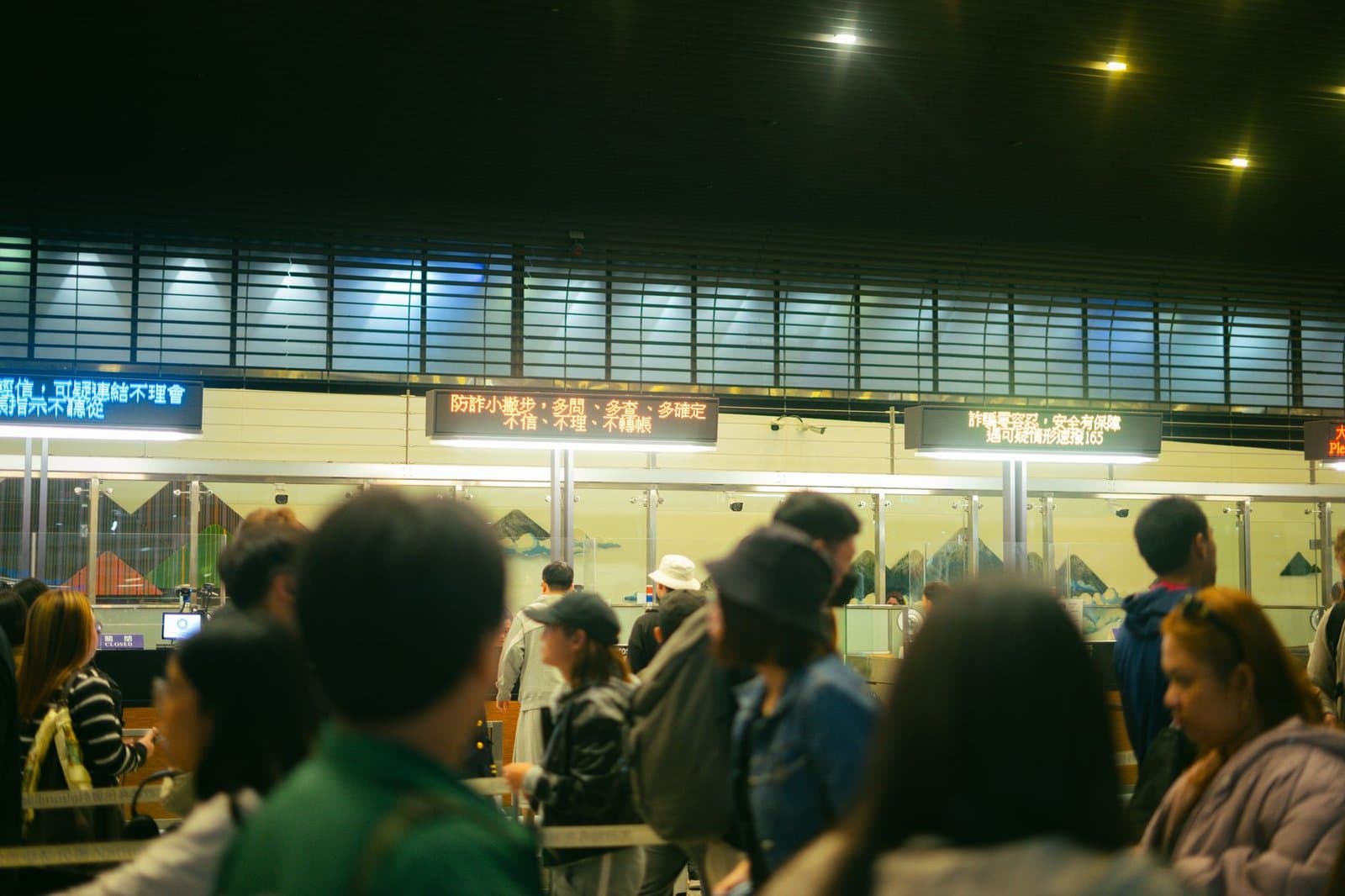
In January 2026, a rumor swept through expat groups and travel forums: Thailand had supposedly introduced a rule capping visa-exemption entries at two per year. Tourists panicked, tour operators scrambled to rework their schedules. Thailand's Immigration Bureau set the record straight: no such limit exists, none was announced, and none is planned.
Where the Rumor Came From
The misinformation grew out of a real policy that got badly garbled in retelling. Thai immigration has long applied closer scrutiny to travelers who enter on visa exemption more than twice in quick succession. An officer may ask to see a hotel booking, a return ticket, and some evidence that the visitor is actually here to travel, not to live and work without an appropriate visa.
That routine of individual case-by-case review somehow became "Thailand bans more than two visa-free entries a year" after a few rounds of copy-paste in messaging apps. The distinction matters: there is no fixed numerical cap. What exists is heightened attention to travel histories that look like long-term residency disguised as tourism.
Worth noting: Thailand's visa rules are an active topic that changes on its own schedule. The visa-free regime for Russian nationals, for example, has its own separate ongoing discussions about permitted stay durations.
What Border Officers Actually Check
The Immigration Bureau's official position: visa exemption rules remain unchanged. There is no set limit on the number of entries. Officers assess each arrival individually, based on the traveler's entry history.
Stricter enforcement targets three specific patterns:
working illegally under the cover of a tourist visit,
running a business through nominee arrangements,
living in Thailand long-term without an appropriate visa.
For a genuine tourist the process is unchanged. Show a hotel booking and a return ticket, answer a few standard questions, collect your stamp and head to the beach. For anyone already thinking about legal long-term stay, it is worth exploring the visa options available to foreigners in Thailand, from investment thresholds to retirement visas, each with its own requirements.
What This Means for Pattaya Residents and Buyers
Short-stay tourists can stop reading here. For those who have been renting in Pattaya for years and resetting their permitted stay with visa runs, the signal is clear. Immigration enforcement is focusing on exactly that pattern, and the border crossing is no longer the free, indefinite solution it once felt like.
For those considering buying property in Pattaya: owning a condo or villa does not automatically grant a visa, residency permit, or citizenship. Foreigners can hold a condominium in full ownership (freehold) within the 49% foreign quota, or on a long-term leasehold basis. Direct land ownership is not available to foreign nationals in Thailand.
The "two entries per year" story faded as quickly as it appeared. The questions it raised, however, did not. Anyone planning to spend more than a few months a year in Pattaya will eventually need a more solid legal footing than another stamp at the immigration desk.