Why Russians Are Buying Property in Thailand: $1.2B Explained
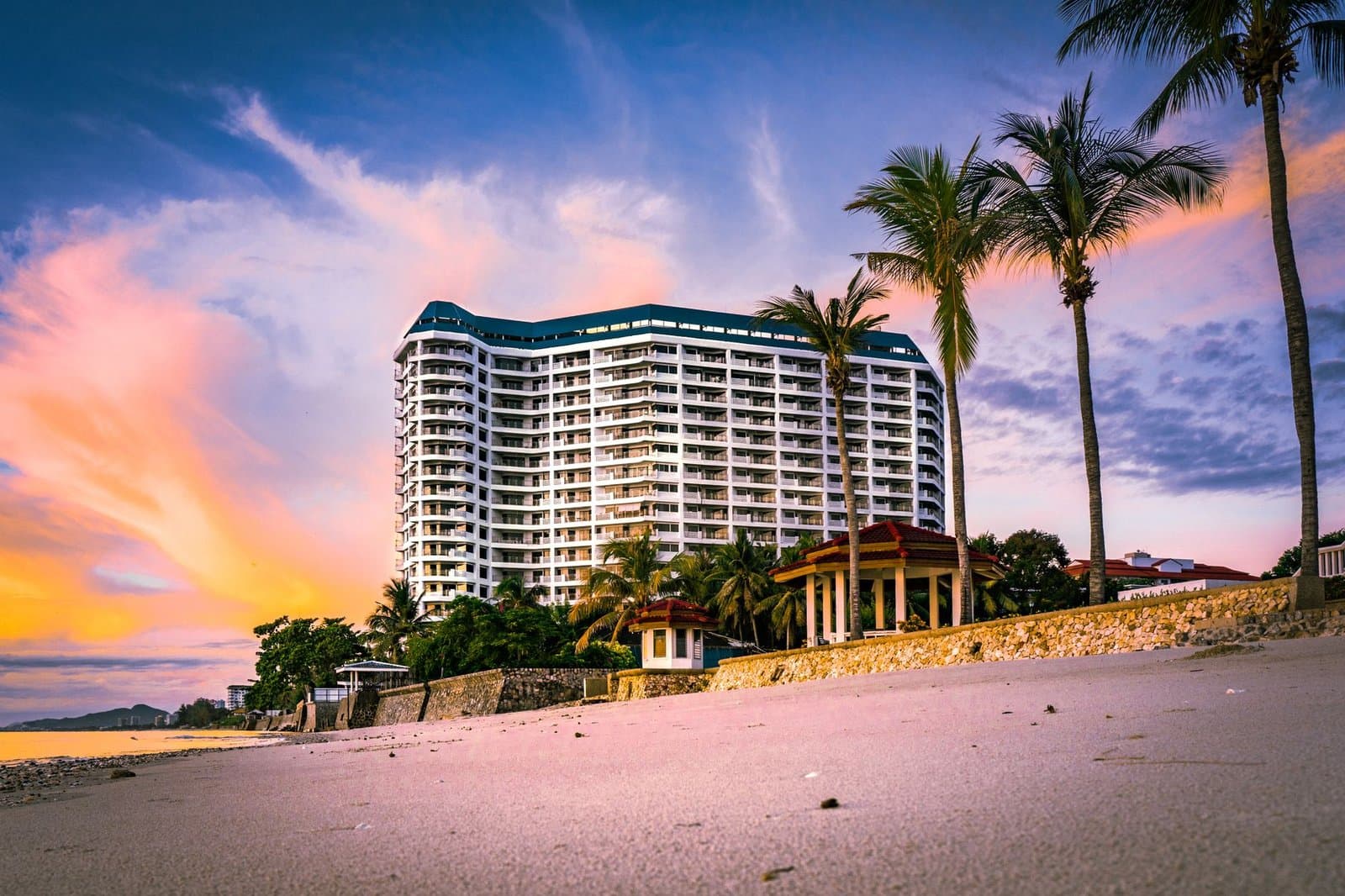
$1.2 billion in Russian money has settled into Thai real estate, and that's not portfolio diversification, that's a concentrated bet. Ninety percent of everything Russia invests in Thailand goes into residential and commercial property. Vladimir Kovalev, executive director of the Russian-Thai Business Council, confirmed the figures, attributing them to Thailand's investment appeal as an economy.
Where the Flow Comes From
Nearly 2 million Russian citizens visited Thailand last year. Some flew home with a tan and a souvenir. Others stayed to think. The most enterprising ones scheduled a meeting with a developer.
The pattern is straightforward. A tourist arrives, looks at prices, climate, and infrastructure, runs the rental yield math, and realizes their money could work harder here than sitting at home. Thailand, in that sense, is its own best sales pitch.
The Macro Case
Thailand holds a record-low central bank rate and is running negative inflation. For an investor, that translates to cheap capital and purchasing power that isn't being eroded over time. For anyone thinking in years rather than quarters, this is a meaningful signal.
A few numbers that make the case:
Over the past decade, Thailand's Board of Investment approved 36 projects with Russian participation, totaling more than $52 million.
By accumulated investment volume, Russia stands alongside Luxembourg ($1.3B) and India ($1.2B).
Russia's figures are roughly double those of the UAE: $1.2B against $569M.
What to Know Before You Sign
Pattaya sits at the center of this interest: an hour from Bangkok, a developed Russian-speaking ecosystem, and supply running from studios to pool villas. Most of the inventory that appeals to Russian buyers is concentrated here. The Pattaya new development catalogue covers most of the active formats currently on the market.
Before any contract is signed, a few legal points are worth understanding:
Buying property in Thailand does not grant a visa, residency, or citizenship.
Foreign nationals cannot own land.
Condominium units can be purchased outright (freehold) within a 49% foreign ownership quota, or held on a long-term lease (leasehold).
The buyer's guide for foreign nationals in Pattaya covers all ownership structures clearly and without unnecessary complexity.
What This Means for Buyers and Renters
A market attracting Luxembourg-scale capital is not a niche play. Growing demand pushes prices on the most liquid properties, and well-located condos tend to appreciate through the construction cycle — making earlier entry generally more advantageous. Those focused on returns will find useful benchmarks in the Pattaya real estate investment section, covering yields by district and property type.
For those not yet ready to commit, renting first is a sensible approach: spend time in Pattaya, learn the neighborhoods firsthand, and make the decision without pressure. Current listings are in the Pattaya rentals section.
The money flowing here follows a logic. Stable economy, growing tourism, a clear legal framework for condo ownership. The question isn't whether Pattaya is worth looking at. It's when you start.