EEC Turns Pattaya Into a Residential Hub: 5-7% Annual Property Growth
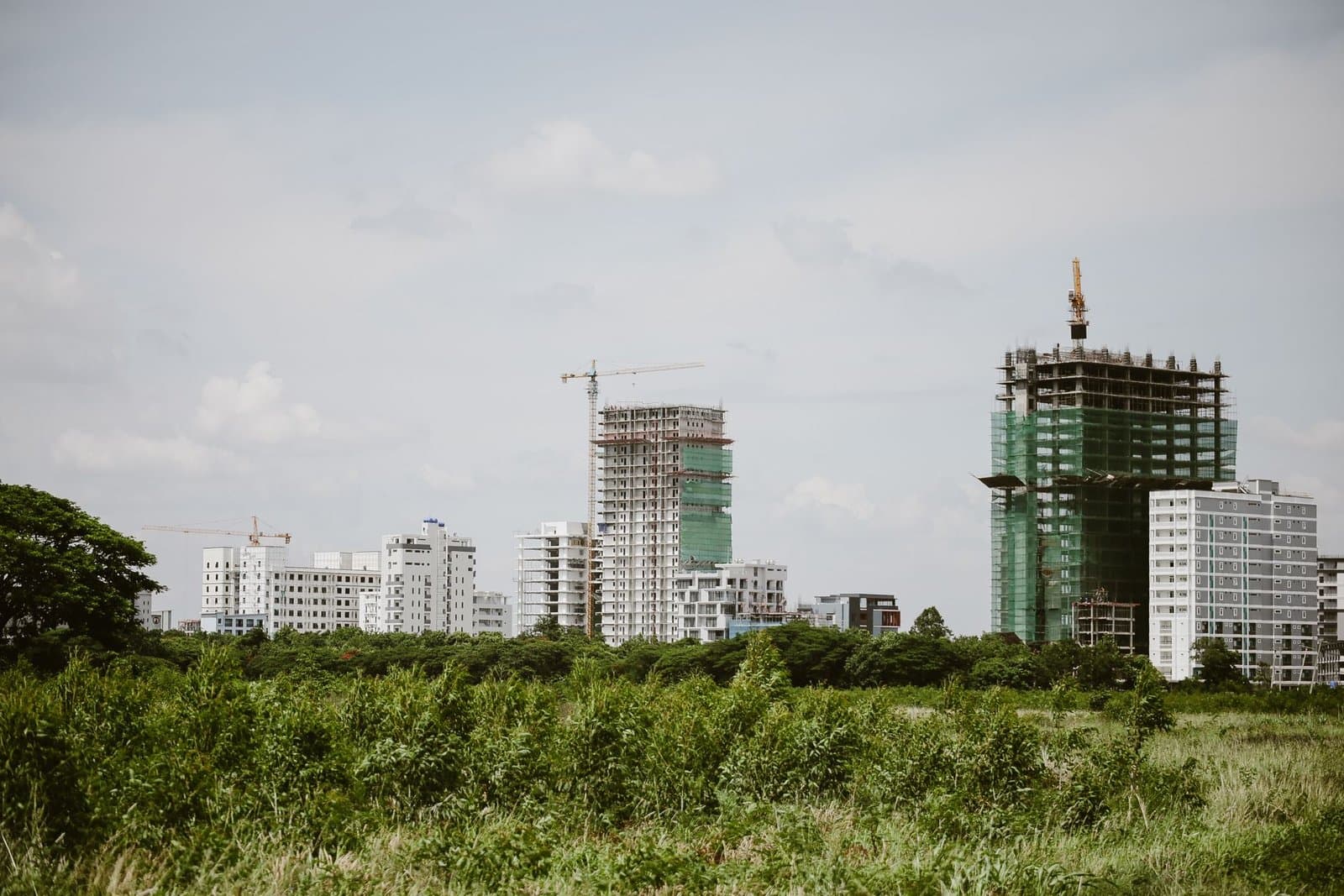
Pattaya was already more than a beach town, but the numbers now make it official. The Thai government's decision to move the high-speed railway and U-Tapao Airport from planning to active construction has crossed a threshold: Pattaya is becoming the primary residential hub of the Eastern Economic Corridor (EEC). Property values reflect a decade of this shift, growing at an average of 5-7% per year, driven not by tourist sentiment but by structural residential demand.
EEC: Infrastructure in Motion
The Bangkok-Pattaya high-speed railway and U-Tapao International Airport have moved from blueprints to active construction. The result: 45 minutes from Bangkok instead of three hours, and direct international flights into the region. The geography of living on Thailand's eastern seaboard changes fundamentally.
Pattaya stops being a place people visit and starts being a place people base their lives, especially when an employer or a business sits inside the EEC zone. Large manufacturing and technology operations need executives and skilled professionals. Those professionals need homes. The chain is in motion, and developers now call Pattaya the Primary Residential Hub of Thailand's eastern seaboard.
Who Is Moving In
The buyer and renter profile has shifted noticeably. Today's demand in Pattaya comes from three distinct groups:
Senior executives and managers at companies operating within EEC industrial estates
High-skill professionals relocating to the region alongside their employers
International families drawn by Pattaya's growing number of international schools
Demand of this kind doesn't dissolve after a long weekend. People arrive for work and stay for years, which means they need quality long-term housing, whether rented or owned. East Pattaya, with direct access to Motorway 7 and proximity to EEC industrial zones, is at the front of this wave.
The Growth Figure, Unpacked
According to developer Craftwork, Pattaya property values have grown by an average of 5-7% per year over the last decade. That's not a spike triggered by a news cycle; it's compounding structural demand producing consistent appreciation over ten years.
A case in point is the REKHA project by Craftwork: 40 luxury houses with a combined project value of 800 million baht, located alongside Motorway 7. The project is designed for long-horizon family buyers, a private community of just 40 residences, professional concierge-level service, and world-class facilities built for a multigenerational lifestyle.
For a full breakdown of how investment returns work in the Pattaya property market, see our Pattaya real estate investment guide.
A practical note for international buyers: foreigners can own a condominium in Thailand under freehold title within the 49% foreign ownership quota per building. Land ownership is not available to foreign nationals under Thai law. Purchasing property in Thailand does not grant a visa or residency permit.
If Pattaya is on your radar for investment or relocation, start by exploring the city's neighbourhoods to identify which location best fits your priorities.