Thailand's EEC: Investment Up 67% Fuels Pattaya Housing Demand
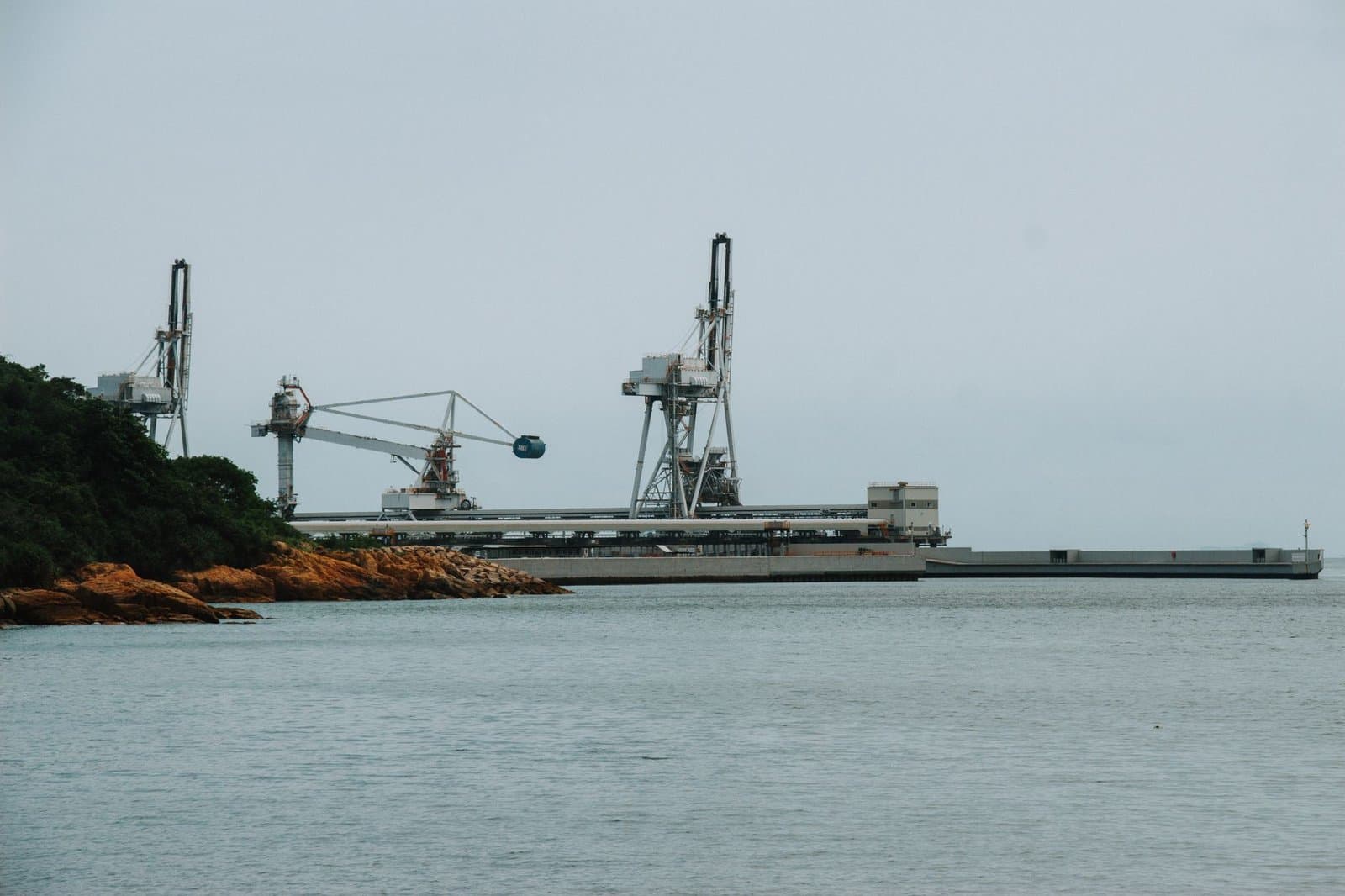
Thailand just wrote its Eastern Economic Corridor into law, which sounds like a filing cabinet headline. It is actually a slow burning story for the housing market, and a good one. Because the EEC now sits in legislation passed by parliament, it survives elections and cabinet reshuffles. The effect already shows: investment applications climbed to 1.8 trillion baht in 2025, up 67%.
Why Thailand keeps winning over its neighbours
Manufacturers are fleeing China to dodge tariff wars, and the China plus one strategy applies equally to Western and Chinese firms. Vietnam offers a young workforce, Malaysia has language and education advantages. But investors increasingly pick Thailand for its ready infrastructure, established legal framework and logistics reliability, a kind of regional safe harbour. Companies often start scouting Vietnam and end up back in Thailand once they run the long term numbers: the utilities are already built and the supplier networks already exist. It is little surprise that Pattaya is turning into a genuine investment hub for Southeast Asia.
What is being built in Chonburi
Flagship EEC projects are redrawing the province:
the third phase of Laem Chabang port and the high speed rail linking the three airports;
logistics parks along Route 7 and Route 331, feeding cargo straight to the port;
fibre optic lines laid underground instead of overhead, since stable signal matters for data centres and high tech manufacturing;
more than 3,890 kilowatt peak of solar power that estate developers already deliver to clients under private agreements.
What is rising around Pattaya is not another industrial zone, it is infrastructure built for artificial intelligence and next generation manufacturing.
Who is moving in, and where they will live
The investor base in the eastern provinces stopped being mostly Japanese long ago. Twenty years ago Japanese firms made up 90% of the industrial park client base, today their share has slipped to roughly half, with China, the US and Europe filling the rest. New factories and data centres pull in engineers and managers, and they would rather live by the sea than inside an industrial zone. Demand is spreading along the whole coastline, which is why Pattaya is already being called the EEC's residential hub.
For anyone eyeing an apartment or villa in East Pattaya, none of this is abstract macroeconomics. More factories in Chonburi means more tenants with steady salaries and rising demand for coastal housing that has nothing to do with the tourist season. One thing worth remembering: buying property here does not by itself grant a visa or residency. What it does offer is a clear investment logic. EEC infrastructure decisions are made on a decades long horizon, and housing near economic growth points tends to appreciate faster than the market average.