Infineon Plant in Thailand 2026: What It Means for Housing
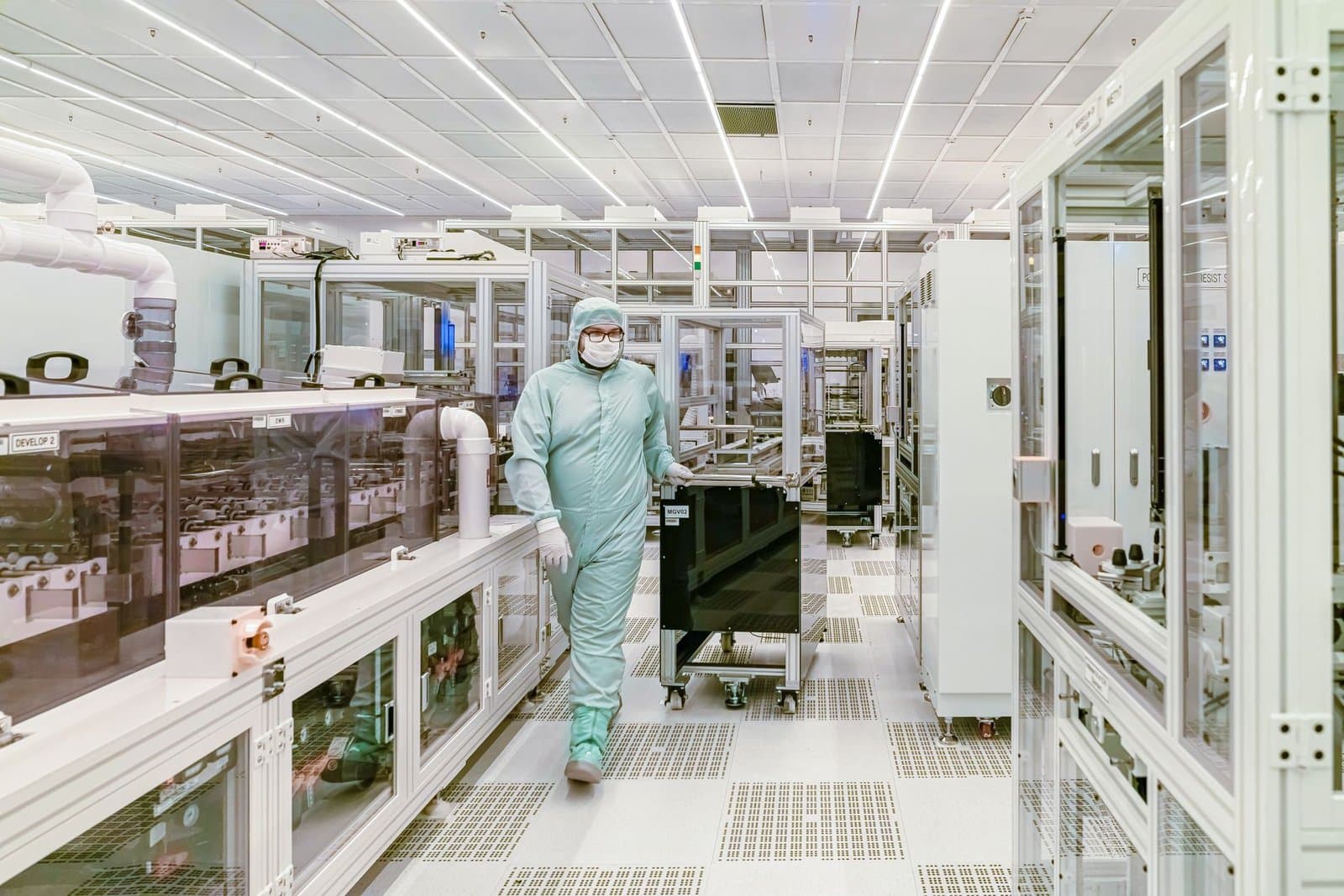
Germany's Infineon Technologies, one of the world's leading chipmakers, has opened a new plant in Samut Prakan province. The Infineon plant in Thailand is part of a much larger wave of high-tech investment flowing into the country in 2026. For the housing market, that means long-term capital and a growing pool of engineers and managers who need a place to live.
What Infineon has opened
The site is in Bang Bo district, Samut Prakan. It is a back-end manufacturing facility, where semiconductor chips are turned into finished, tested components ready for use in electronics.
The initial investment exceeded 100 million euros, or roughly 3.8 billion baht.
Operations start with up to 30,000 sq m of cleanroom space, the controlled environment that keeps chips free of contamination.
That space can later grow to 150,000 sq m, five times the starting size.
Chief operations officer Alexander Gorski called the project strategic and long-term, pointing to Thailand's convenient location relative to key markets such as China. Infineon runs 13 production sites across the US, Europe, China and Southeast Asia, and the Thai plant gives customers a second source of supply in case other factories, for example in Malaysia, are disrupted.
Infineon plant in Thailand 2026: part of a bigger plan
Infineon is not alone. Between 2023 and July 2026, semiconductors and advanced electronics in Thailand attracted 910 billion baht, about 24.9 billion US dollars. According to Board of Investment secretary-general Narit Therdsteerasukdi, the country aims to draw up to 18 billion dollars into the chip sector by 2030, focusing on photonics, power electronics and sensors.
The government is also investing in people: by 2030 it plans to train around 85,000 skilled workers and more than 1,700 researchers. The global backdrop helps too. Worldwide chip sales are forecast to reach 1 trillion dollars in 2026 and double to 2 trillion by 2035, driven largely by data centres for artificial intelligence.
Projects like this are gradually reshaping Thailand's eastern seaboard. We looked at how industrial investment feeds into housing in our piece on EEC investment growth and housing demand in Pattaya.
What it means for buyers and renters
Big plants bring more than production-line jobs. They need engineers, technologists, managers and staff from supplier companies, including foreigners. These tenants tend to rent long-term, value quality buildings and pay reliably. For an owner, that is a clear long-stay tenant profile, not just the tourist high season.
If you are considering a rental investment, focus on liquid locations and trusted developers. You can browse options and buy an apartment in Pattaya in new or completed projects. And if you would rather not deal with tenants yourself, our rental management service can handle it.
A quick reminder: foreigners can own a condo unit freehold within the 49% foreign quota, or take it on a leasehold. Buying property does not grant a visa or residence permit.
Wondering which Pattaya apartment suits long-term letting and what return to expect? Get in touch with our team and we will shortlist options for your budget and goals.