Russian Families Transform Pattaya: Family Housing in Demand
Pattaya has shed its "sin city" reputation faster than most expected. One in three Russians buying a package tour to Pattaya now travels with children. Before the pandemic, families were a marginal segment; today, tour operators, developers, and landlords are all chasing the same buyer.
How the City Has Changed
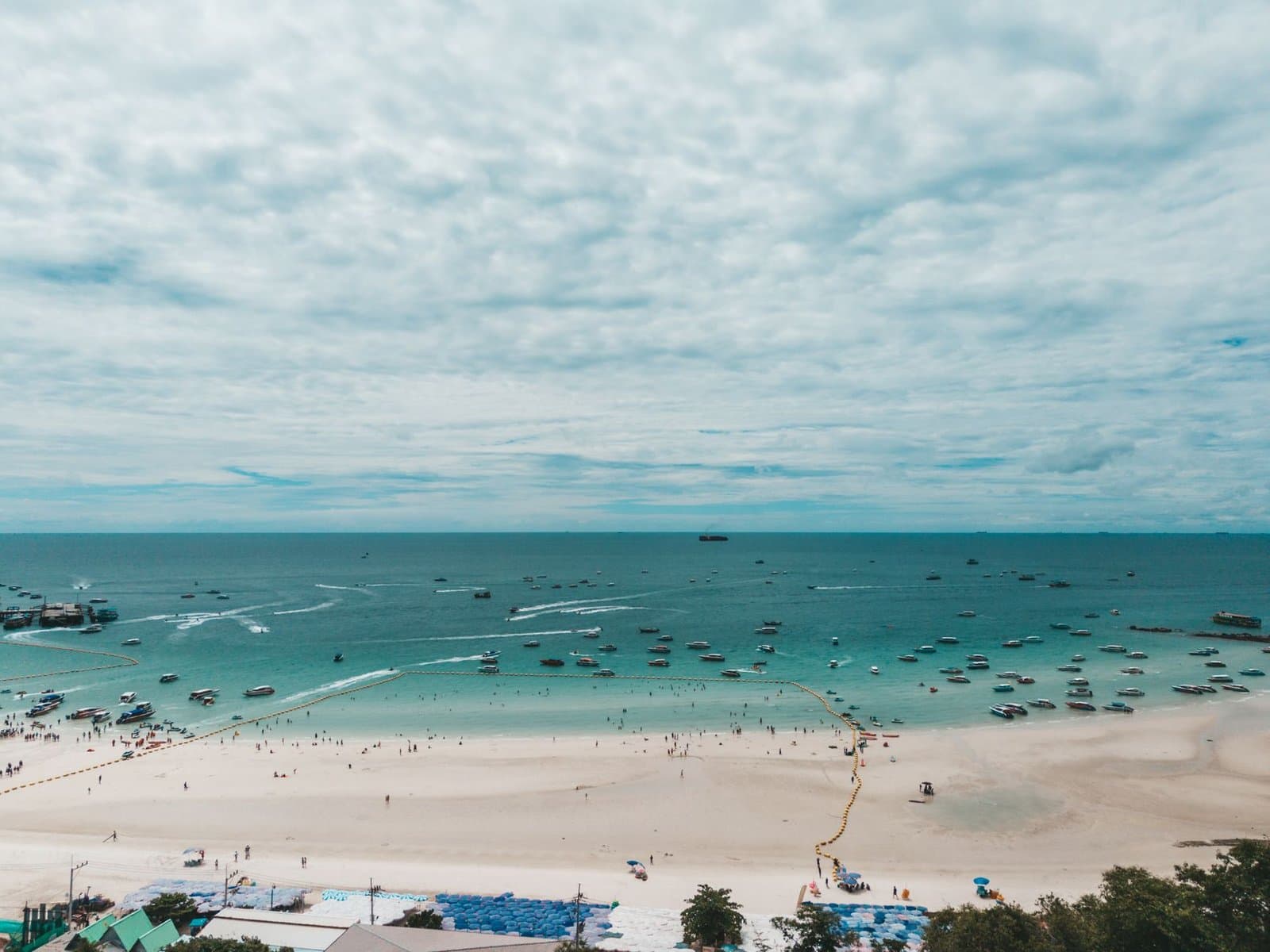
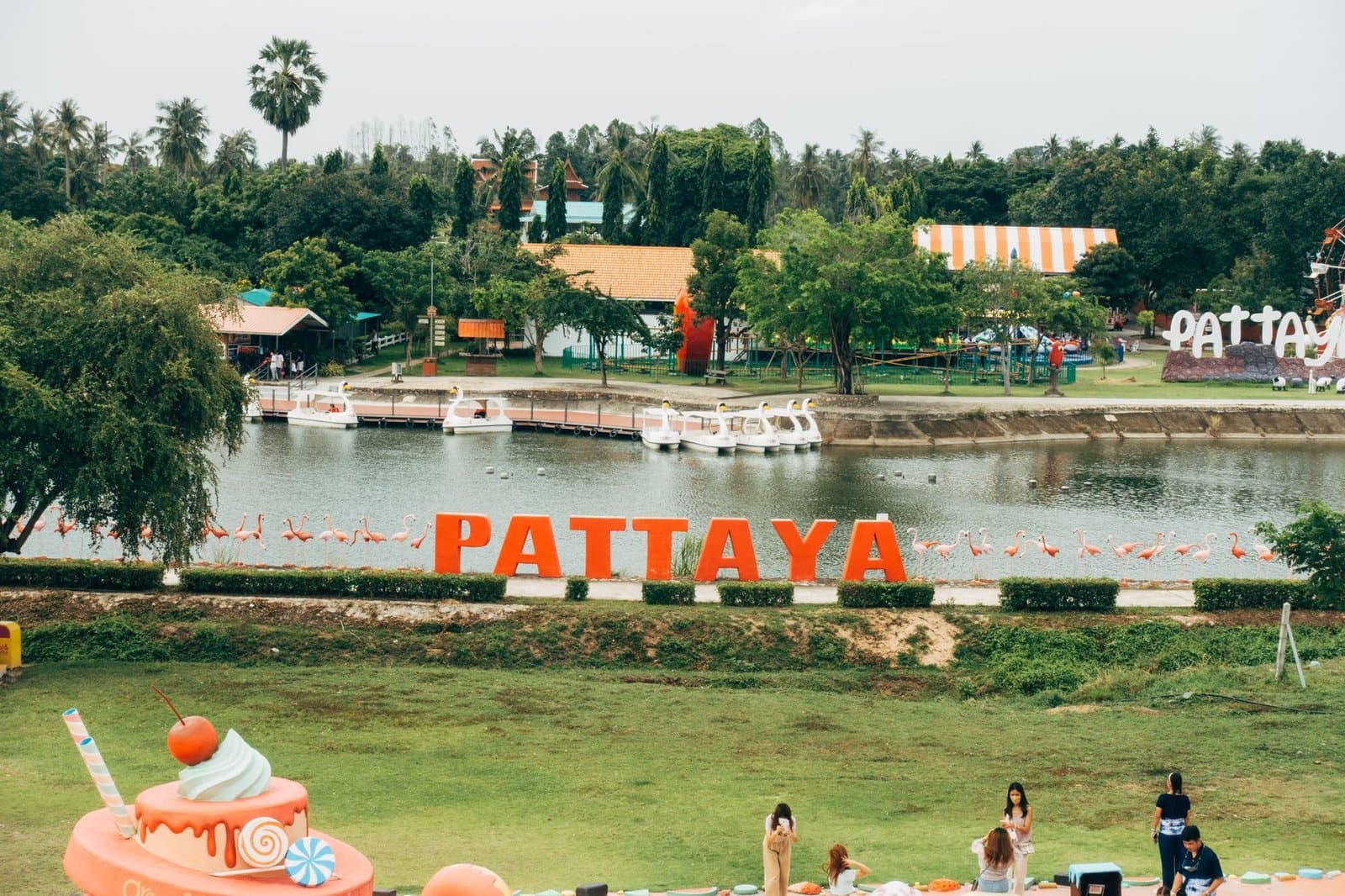
Tour operators rewrote their pitch. Instead of bars and night streets, brochures now lead with island day trips to Ko Lan, snorkeling, family aquaparks, the Nong Nooch Botanical Garden, and Khao Kheow Open Zoo. Infrastructure outside the resort has expanded to include cycling trails through the countryside, paddle-board stations, and family parks.
The change is visible on the street. In Jomtien, Russian signage and family cafes are multiplying. New hotels across central Pattaya are positioning themselves as resort residences designed for families staying weeks, not nights.
The Property Market Is Responding
Families rent differently. Instead of a hotel room for three nights, they take an apartment with a kitchenette for three weeks, or spend the entire winter season. That creates consistent off-peak demand and supports the local service economy: delivery apps, language schools, kids' clubs.
Requests for two-bedroom apartments and connecting-room configurations are rising
Family spending has shifted from nightlife toward swimming lessons, excursions, and wellness
City festivals are adding family workshops and sports activities to their programs
For anyone exploring rentals in Pattaya, the family trend means a growing inventory of well-planned two-bedroom units in neighborhoods with schools, parks, and a Russian-speaking community nearby.
The Visa Question
The demographic shift coincides with a policy revision. The 60-day visa-free entry, extended temporarily, is now under review and re-entry conditions are being tightened. Anyone planning extended stays is better off arranging a long-term visa proactively rather than scrambling after the next rule change.
One point worth clarifying: buying property in Thailand does not grant a visa, residency, or citizenship. Foreigners can own condominium units within the foreign quota (up to 49% of a building's units) on a freehold basis, or through a leasehold arrangement. Land ownership remains unavailable to foreign nationals.
What This Means for Buyers
The family wave is changing the logic of buying in Pattaya. An apartment here is increasingly purchased as a personal base for extended family trips or a staged relocation, rather than purely as a short-let investment. Demand is shifting toward two-bedroom-plus units in areas with family infrastructure. Neighborhoods like Pratamnak, where a number of family-oriented complexes have opened in recent years, are seeing particularly strong interest.
When structural demand shifts ahead of prices, the entry point tends to look better in hindsight.