U-Tapao Construction Starts: What It Means for Pattaya Property
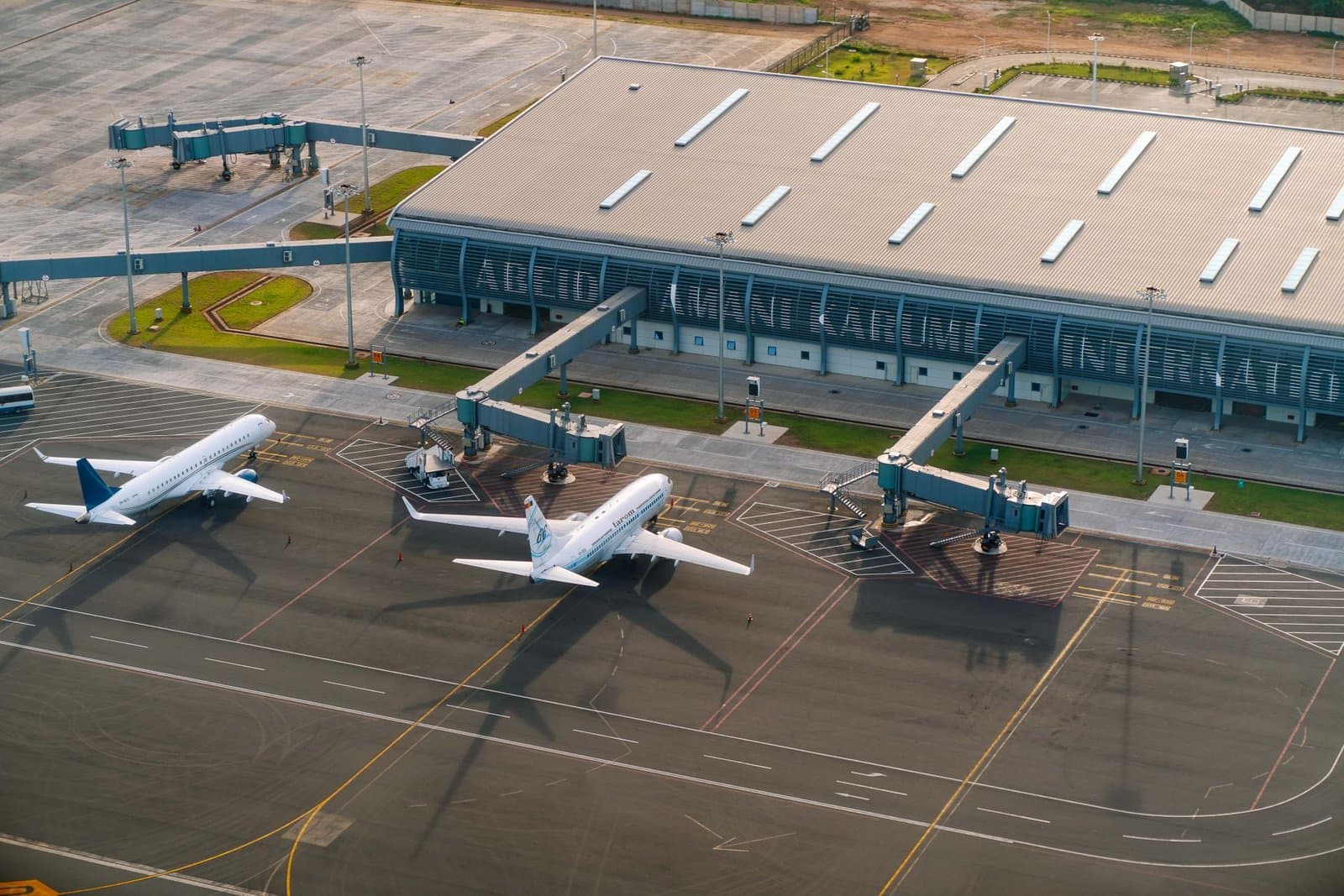
The U-Tapao airport project sat on paper for almost five and a half years. On 3 April 2026 the concessionaire received its Notice to Proceed and construction began. For the Pattaya property market this is the first time the phrase "Bangkok's third airport" comes with a signed contract and an active site rather than a slide deck.
What broke the deadlock
On 29 January 2026 EECO and the concessionaire UTA signed a contract management agreement. UTA is owned by Bangkok Airways with 40%, BTS Group with 40% and Stecon with 20%.
The signatures matter less than the condition that was dropped. UTA gave up its requirement tying the start of work to the high-speed rail link. That was the knot: no railway movement meant no airport movement. The Notice to Proceed followed on 3 April, and the 50-year concession is now running to 2076.
What is actually being built
The terminal. It opens at 3 million passengers a year, sized to current demand, and scales towards the announced 12 million as traffic grows. The first phase takes 3 to 4 years.
The second runway. Built by the Royal Thai Navy, due by May 2028.
Aviation City. Commercial zones with hotels, retail and housing start from late 2026.
About that 290 billion baht
The number travels through headlines as the cost of the current construction. It is not. The 290 billion covers the whole project across a fifty-year horizon, including every phase and the commercial development. The first terminal phase costs roughly 10 billion baht.
The distinction matters. 290 billion is the scale of the plan; 10 billion is the scale of what is being poured in concrete right now.
What it means for Pattaya
U-Tapao sits in Rayong province, Ban Chang district, around 40 km from Pattaya. The road link is already in place: Highway 7 now connects the city to the airport.
Housing demand is not driven by the construction itself. Two things drive it, and both come later. First, the flights that arrive once the terminal opens. Second, the high-speed rail line from Don Mueang through Suvarnabhumi to U-Tapao, which does not exist yet; what it would mean for the city is covered in our piece on the Bangkok to Pattaya high-speed rail. A realistic horizon for any effect on EEC rentals and purchases is 3 to 5 years.
Something else already works for the area today: the Thai Airways MRO hub at U-Tapao brings jobs rather than passenger traffic. The EEC corridor keeps pulling the market along in its own right: Pattaya is growing as a residential hub at 5-7% a year.
What a buyer should do with this
Betting on the airport is a multi-year bet, not a buy-now-flip-in-December story. What has changed compared with previous years is that the bet now rests on a signed contract and a working site instead of plans.
The southern side is closest to U-Tapao: property in Na Jomtien. How the EEC corridor is reshaping the Pattaya market as a whole is covered in Pattaya 2026: Southeast Asia's investment hub.