Pattaya 2023-2027 Development Plan: Infrastructure and Property
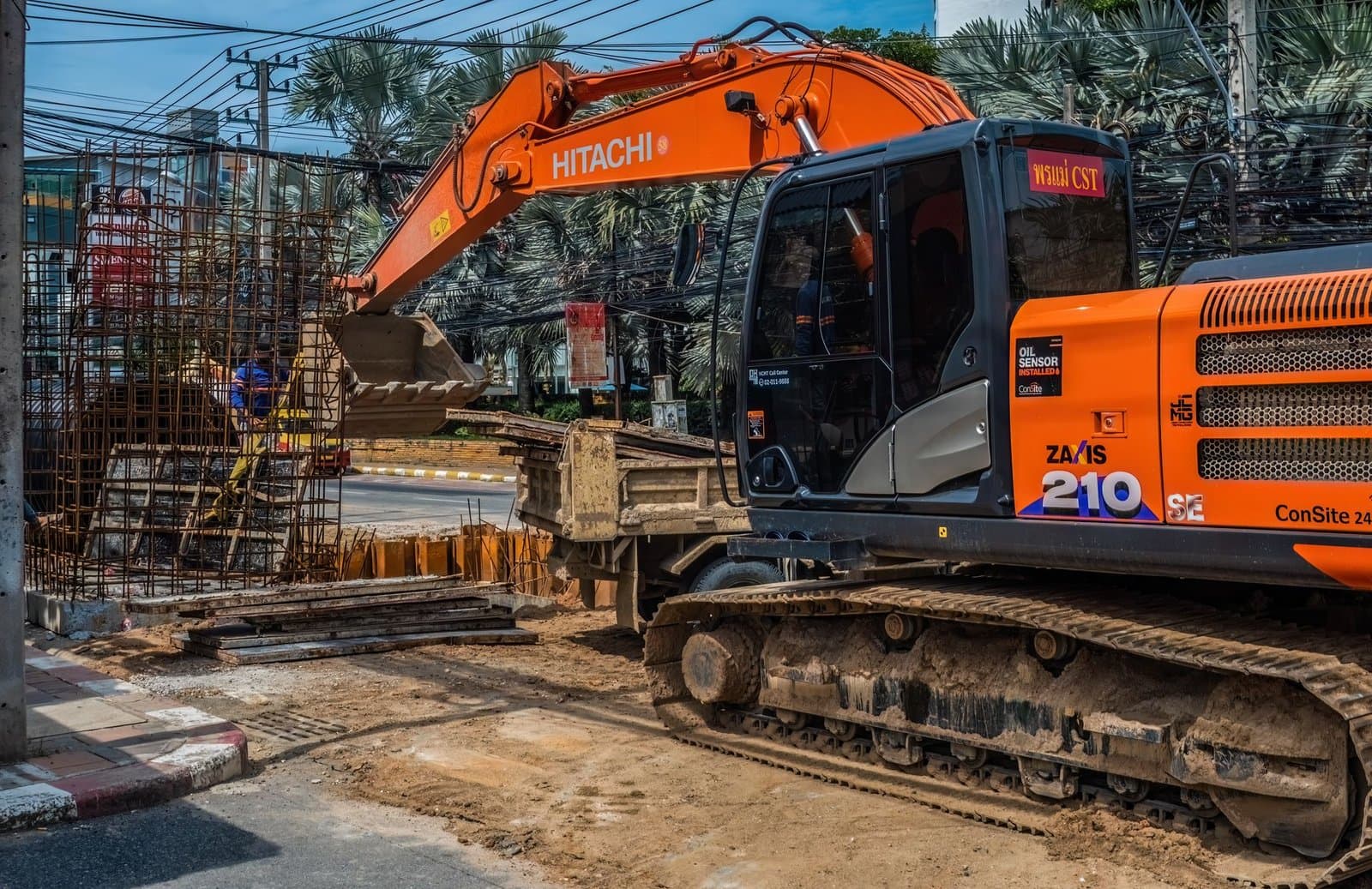
Pattaya and Burapha University have jointly developed a city development plan for 2023-2027. Mayor Sonthaya Khunplome put the objective plainly: turn the coastal resort into a "tourist city of the future." The strategy covers five directions, from environmental management to digital infrastructure, and is backed by specific projects with named institutional partners. For anyone tracking the Pattaya property market, the details here are more useful than the headline.
Five Directions in the Five-Year Strategy
The plan was built in partnership with several national bodies: the Eastern Economic Corridor (EEC) Committee, the Ministry of Natural Resources and Environment, the Ministry of Digital Economy and Society, and local communities across the city. Five core objectives:
Improving quality of life and public safety
Upgrading infrastructure to support the Eastern Economic Corridor
Promoting economic and environmentally sustainable innovation
Sustainable management of natural resources and the environment
Positioning Pattaya as a modern, high-performance city
The mayor emphasized that the strategy builds directly on the "Neo Pattaya" concept introduced three years earlier, with post-pandemic changes accelerating the direction rather than disrupting it.
What Gets Built: Project by Project
The plan stands out for its specifics rather than its slogans.
Transport and infrastructure. Construction of a light rail or tram network to improve connectivity within the EEC zone, a sustainable water supply solution, and an expanded CCTV and public safety network.
Digital services. City-wide Big Data collection and analysis, integration of urban operations data for smarter governance, and a digital healthcare system.
Environment. "Pocket parks" in residential neighborhoods, development of Pattaya's only mangrove forest as an ecotourism site, and maintenance of large heritage trees across the city.
Economy and tourism. Domestic tourism promotion, accessible marketing platforms for local entrepreneurs, and development of the Naklua community market as a cultural and nature destination.
Skills and education. Training programs for younger generations covering wellness business, electric vehicles, e-commerce, programming, and robotics, plus digital learning in schools and international medical centers in Pattaya.
What It Means for Buyers and Renters
The connection to real estate is direct. A light rail line raises the appeal of neighborhoods currently seen as peripheral. Better digital services and safety make the city more attractive for long-term foreign residents. EEC integration draws investment and employment to the region. Pattaya has been steadily shifting from beach resort to residential and business hub for several years, and this plan formalizes that direction. For more on how this positioning has developed, see our overview of Pattaya as an EEC investment hub.
Foreign nationals can purchase a condo on a freehold basis within the 49% foreign ownership quota, or opt for a long-term leasehold arrangement. Land ownership is not available to foreigners in Thailand. Current listings are organized by neighborhood across Pattaya, and rental yield calculations and buying strategies are covered in the Pattaya investment section.