EV charging stations in Thailand 2026: what matters
Borya, with love from Thai-residence.com
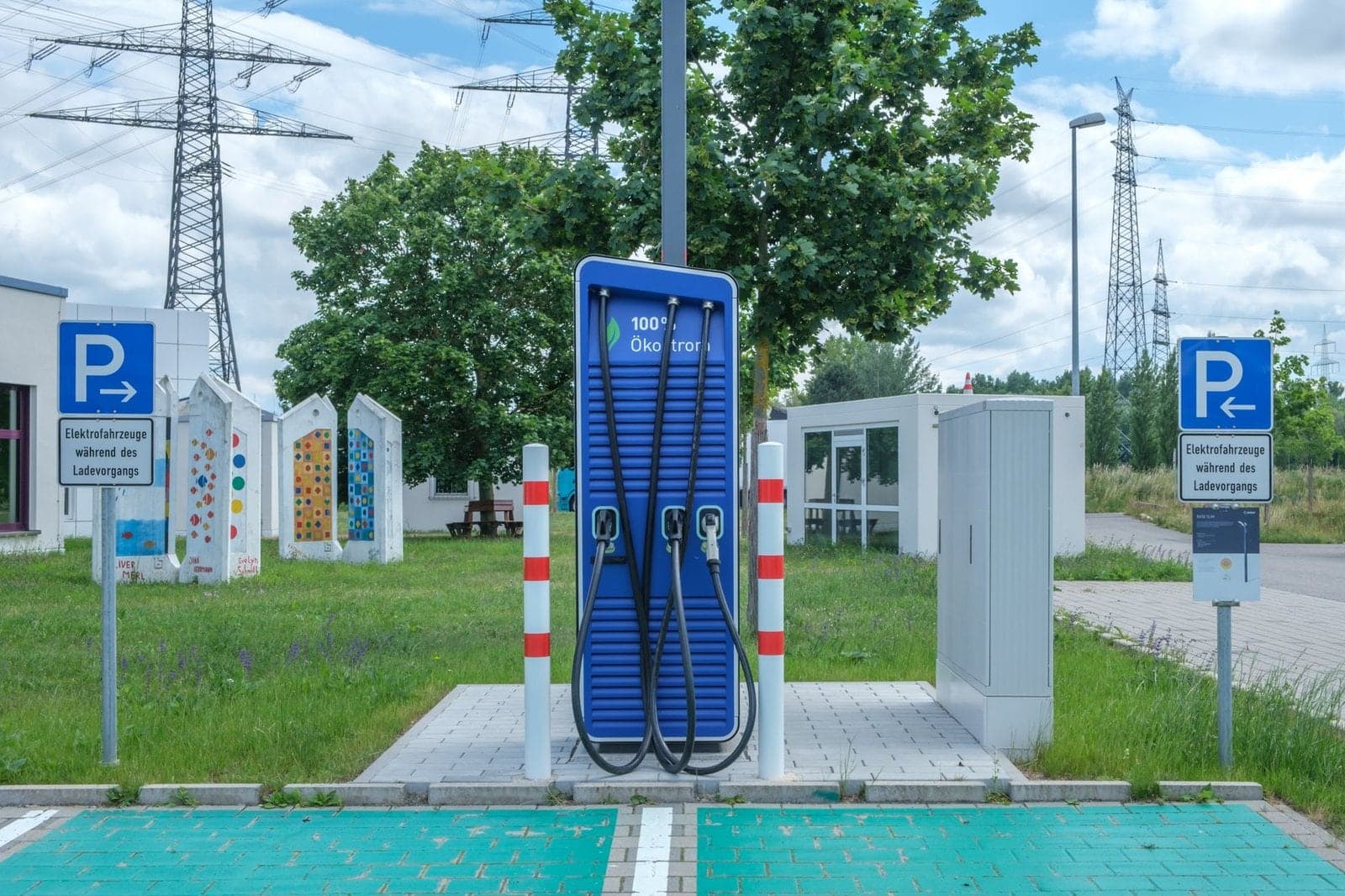
Thailand has more and more electric vehicles, but charging points are being built more slowly, so for anyone living in Pattaya or planning to move here this is a very practical question. In 2026, EV charging stations in Thailand have become a noticeable business topic. Sharge Management Co., a company that provides charging solutions, estimates that the country is short of about 26,000 stations. Owners of private land, hotels, cafés and shopping centres are being encouraged to turn their properties into charging points.
How many EV chargers Thailand has and how many it needs
The company's figures:
the country has more than 5,000 public stations with about 15,000 charging connectors;
there are roughly 30 EVs per charging point, against a global average of 11;
fast DC chargers are especially scarce, at about 47 vehicles per unit;
about 26,000 more public chargers are needed to bring the network to around 41,000 points;
according to the forecast, the number of EVs on the country's roads could exceed 456,000 by the end of September 2026.
According to Peerapat Sirichantaropart, managing director of Sharge Management Co., EVs in all segments, private, commercial and corporate, have grown by an average of 155% a year over the last three years. The shift is happening faster than many expected.
The Chonburi-Pattaya route and resort areas
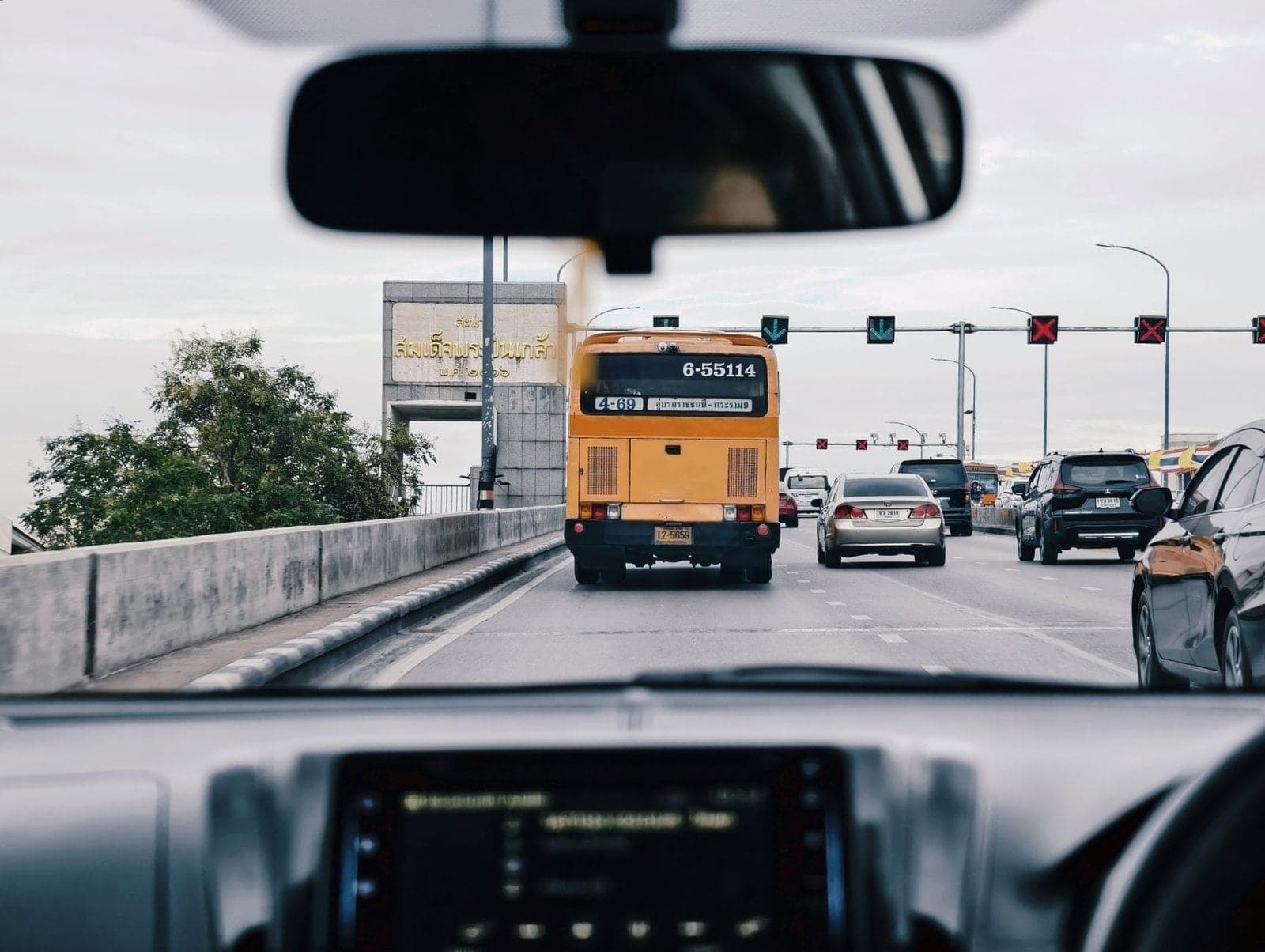
The shortage of chargers is worst on the main intercity highways and in tourist areas. During holidays and festivals, queues to charge there are already common. The routes without enough charging points include the road between Chonburi and Pattaya, the Saraburi-Nakhon Ratchasima section and the southbound road from Prachuap Khiri Khan to Chumphon.
For Pattaya this continues a familiar story: the city is quickly gaining new roads and services, as we covered in our article on the Pattaya development plan. EV drivers tend to stop where they can charge while they eat, shop or relax. So businesses that install chargers gain both new customers and income from the charging itself.
Payback period and which chargers to install
The company estimates that a station on private land pays for itself in 3-7 years. The period depends on the location, the type of charger and how often it is used. The key is to match the type of charger to how long customers stay on site:
roadside rest areas: fast DC chargers for people on the road;
hotels and other overnight stays: AC chargers, so guests charge during their stay;
entertainment venues: AC or medium-power DC.
An important point for foreigners: they cannot own land in Thailand, so these projects are mainly for Thai owners and companies. A foreigner can, however, buy a condo, either freehold within the 49% foreign quota or leasehold. For more on what is happening in the market right now, see our section on investing in Pattaya property.
What this means for buyers and tenants
As EVs become more common, more people look for parking with a charger when choosing a home. For a condo owner this is an extra advantage that helps when renting out and when selling. Many developers already include chargers in their projects, and you can easily find them among Pattaya new developments.
If you drive an EV or plan to switch to one, ask about charging in the car park before you choose a condo. This applies both to buying and to renting in Pattaya. Contact our specialists and we will find complexes that already have charging.