Thailand's record BOI investment 2026: impact on housing
Borya, with love from Thai-residence.com
In the first nine months of 2026, the Thailand Board of Investment (BOI) received applications worth 1.7 trillion baht. This is the highest BOI investment total on record, and it matters for the housing market: new factories and technology projects bring engineers, technicians and managers into the country, and they all need somewhere to live. Even so, BOI Secretary General Narit Therdsteerasukdi called the figure "too small". He said Thailand could attract far more capital if it removed four structural barriers.
Thailand's record BOI investment in 2026: where the money comes from
Investor demand is not the problem right now. Geopolitics and the shift to green technology have made Southeast Asia a global centre for investment. Thailand presents itself as a neutral, low-risk location with infrastructure already in place.
The government has three goals:
turn applications into finished projects faster;
create real value for the economy;
keep capital in the country for the long term.
Some benefits arrive straight away, such as equipment purchases. Others take years, such as building new supply chains.
Chips and electric vehicles: the next wave
The national semiconductor strategy runs in three stages and focuses on photonics, power electronics and sensors. The aim is to build Thailand's own chip production and turn Thai companies that already design and test microchips into regional leaders. We looked at a similar story in our article on the Infineon plant in Thailand.
Specific job figures:
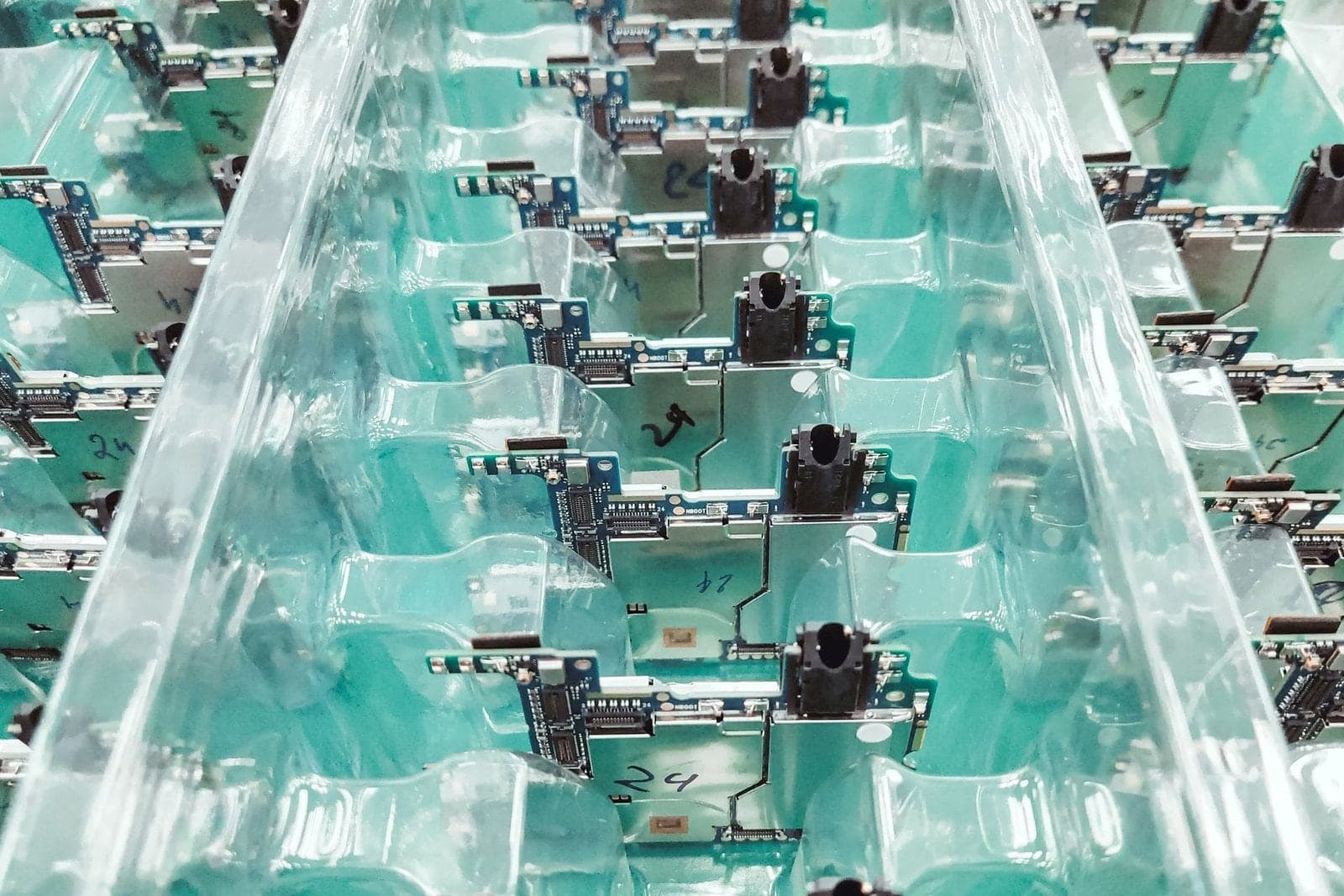
printed circuit board factories are under construction and due to open in 2027, and they will need tens of thousands of staff, from engineers to circuit design technicians;
the world's largest maker of optical transceivers has already hired more than 10,000 Thais at its plant in Saraburi and plans to reach 20,000 staff within a year;
data centres also bring a chain of high-tech suppliers with them.
Electric vehicle policy has moved into its second phase: the goal now is to cut imports and strengthen local production. Higher excise duties on imported cars, local content requirements and meetings between carmakers and Thai parts suppliers have been announced. Japanese carmakers have announced a new wave of investment in hybrids and new energy technology worth more than 50 billion baht.
To turn money into factories faster, the BOI sets out four tasks: simplify permits (the Thailand Fast Pass programme allows a factory to be built and production started within 6-12 months), secure clean energy and grid capacity, train workers quickly and build a complete supply chain inside the country.
What this means for buyers and tenants in Pattaya
A large share of the country's industrial projects is linked to the Eastern Economic Corridor, which includes Chonburi province and Pattaya. We wrote in detail about how capital flowing into the EEC affects the market in our article on housing demand in Pattaya.
For investors, the takeaway is practical. Alongside tourist demand, there is growing demand for long-term rentals from specialists who come for a year or longer. These tenants care about a practical layout, a place to work, good internet and the commute, not just a sea view. A condo let on long contracts gives steadier income without seasonal dips, and property management in Pattaya takes finding tenants and looking after the condo off the owner's hands.
Would you like to find a condo for long-term letting, or see which areas suit this kind of demand best? Contact our specialists: we will show you suitable options and calculate the rental yield.