Drones and land tax in Thailand 2026: what to know
Borya, with love from Thai-residence.com
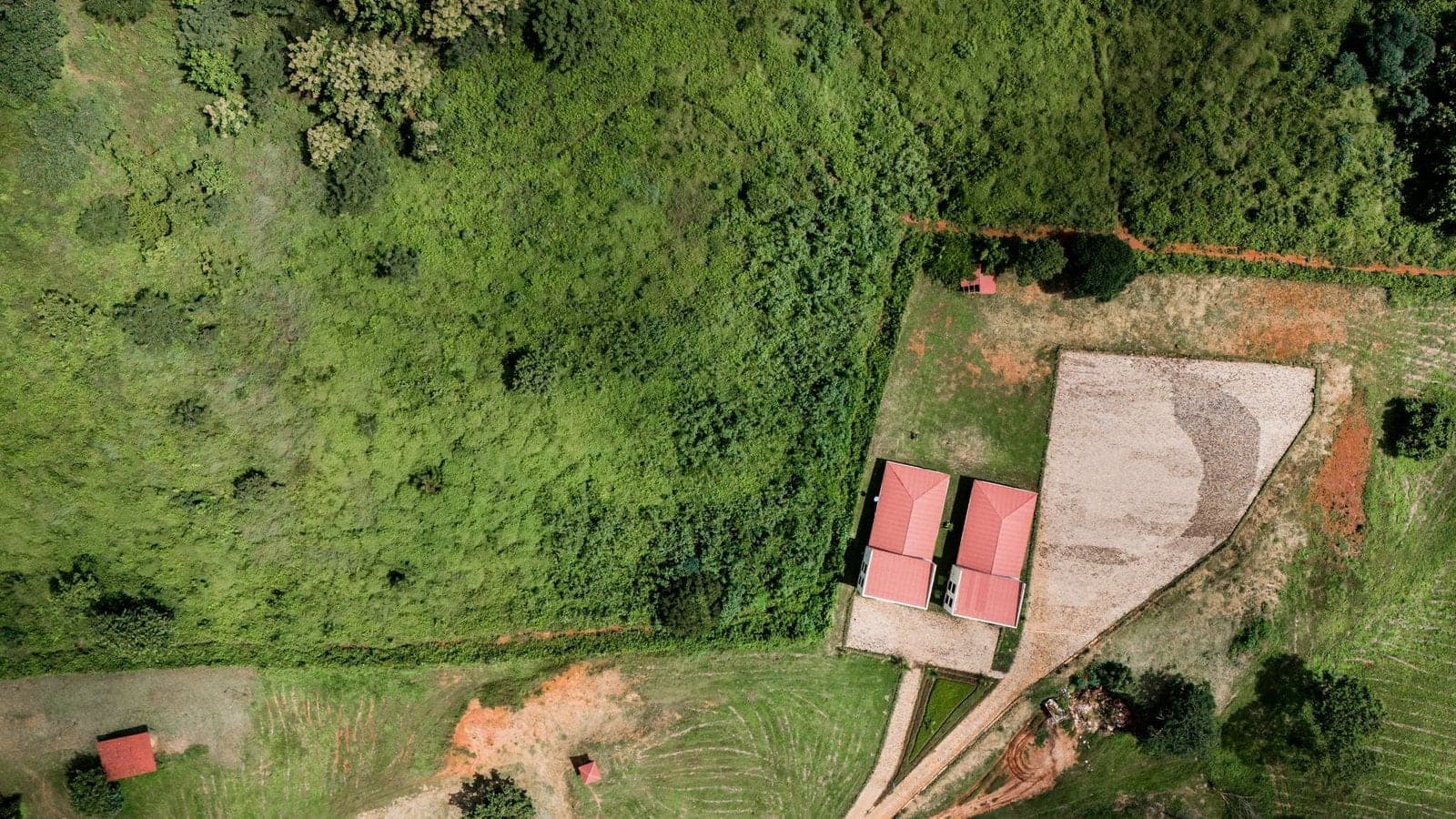
Thailand is learning to calculate land and building tax more accurately, and in 2026 drones are helping. On 2 November, Deputy Interior Minister Worasit Liangprasit inspected a pilot project in Nong Khai province, where the local administration photographs plots and buildings from the air and checks them against the tax base. For property owners, this is a step towards transparent rules. For buyers, it is one more reason to check a property's documents in advance.
How the Nong Khai pilot works
The project was launched by the administration of Nong Kom Ko subdistrict in Mueang district, Nong Khai province. It is part of the System Smart City programme. Here is what the drones do:
survey the area to collect and update data for land and building tax;
find properties missing from the records. According to the deputy minister, there are "quite a lot" of these finds, and the tax is collected in full;
help with rubbish collection: routes are planned from the survey data, and an app has been made for residents to help reduce waste.
The deputy minister tried flying a drone himself and asked how the data is collected, how long a flight lasts and how long the battery holds out. The subdistrict is small, so new ideas are easy to introduce there.
Drones and land tax in Thailand 2026: what comes next
The plan is to share the experience. The Department of Local Administration will gather successful models from different regions into a shared database that local administrations across the country can use. The department has also been asked to develop mobile apps so that residents can access local government services more easily. There is no timeline or list of provinces yet, and Pattaya and Chonburi were not mentioned specifically.
The tax itself is not changing: rates and rules stay the same. What changes is accuracy. The state can see more clearly what has actually been built, and the tax base becomes the same for everyone. We explain how owners' payments work in our guide to property taxes in Thailand for foreigners. For the latest rule changes, read our article on the 2026 land tax reform.
What owners and buyers should check
Transparent records benefit honest owners: fewer disputes and a clearer idea of what you are paying for. To avoid questions later, a few simple steps are enough:
check the actual floor area of your buildings against the documents. An added terrace, a gazebo or a covered parking space by the pool also count as buildings;
keep your land and building tax receipts for every year of ownership;
when buying a villa, ask the seller for the tax receipts and compare the description of the property in the documents with what actually stands on the plot.
Remember: a foreigner cannot own land in Thailand, but can own a condo, either freehold within the 49% foreign quota or leasehold. Houses have their own ownership structures, and these are worth discussing before the deal.
What this means for you
Property records in Thailand are becoming digital and predictable, which is good for the market and for long-term buyers. If you plan to buy a house in Pattaya, our specialists will check the documents, the floor area of the buildings and the property's tax payment history before the deal. Ask us a question, and we will find you a villa or condo with a clean history.